UN Action’s Impact
The Democratic Republic of Congo consistently reports the highest number of cases of conflict-related sexual violence annually in the Secretary-General’s annual Report. UN Action has operated in the Democratic Republic of Congo since our creation, implementing four projects between 2013 and 2023.
Our work has consistently supported international and local service providers to provide targeted, survivor-centred help to survivors of conflict-related sexual violence and affected communities. We work closely with local civil society organisations to make sure that our solutions are sustainable and locally-owned. All of our activities are aligned with the Framework of Cooperation on the Prevention and Response to CRSV signed between the UN and the Government of the Democratic Republic of Congo. Read more about our projects below.
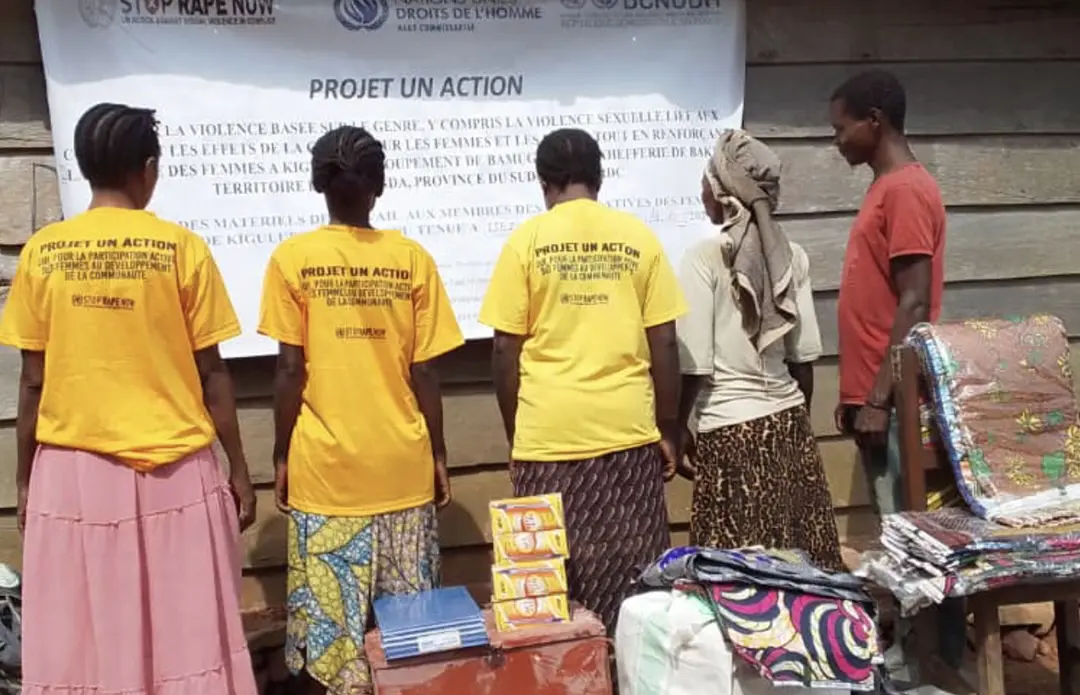
Photos from our Activities
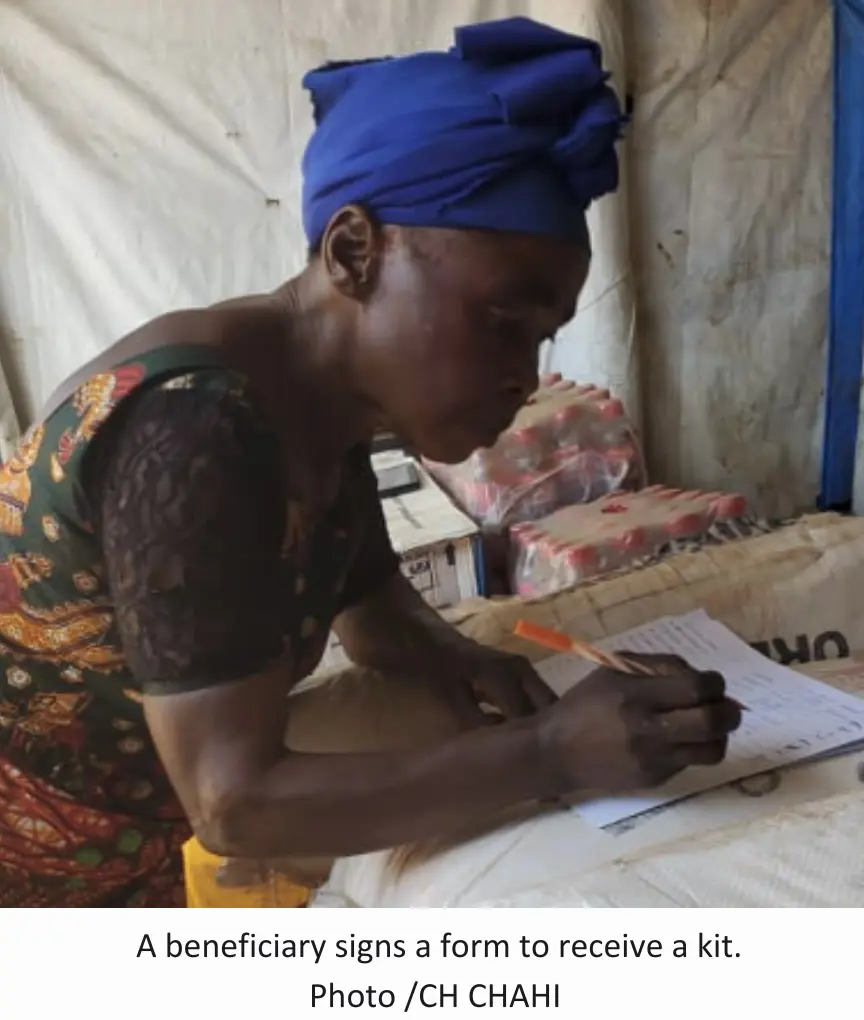
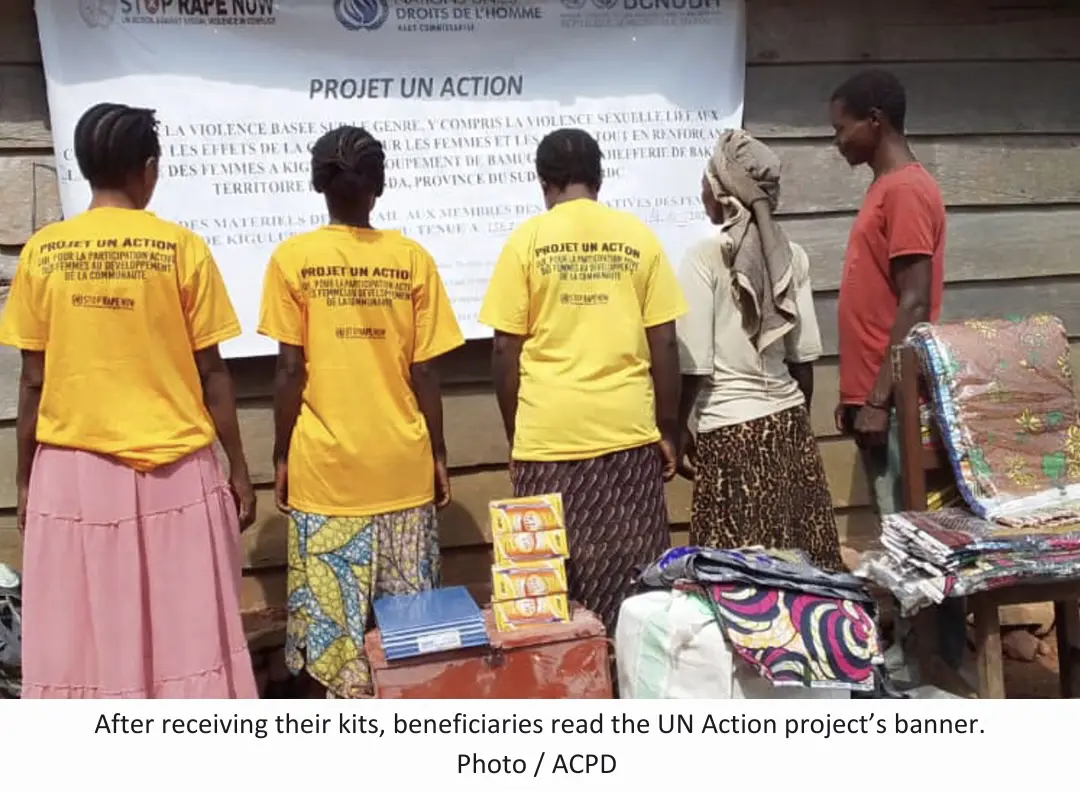
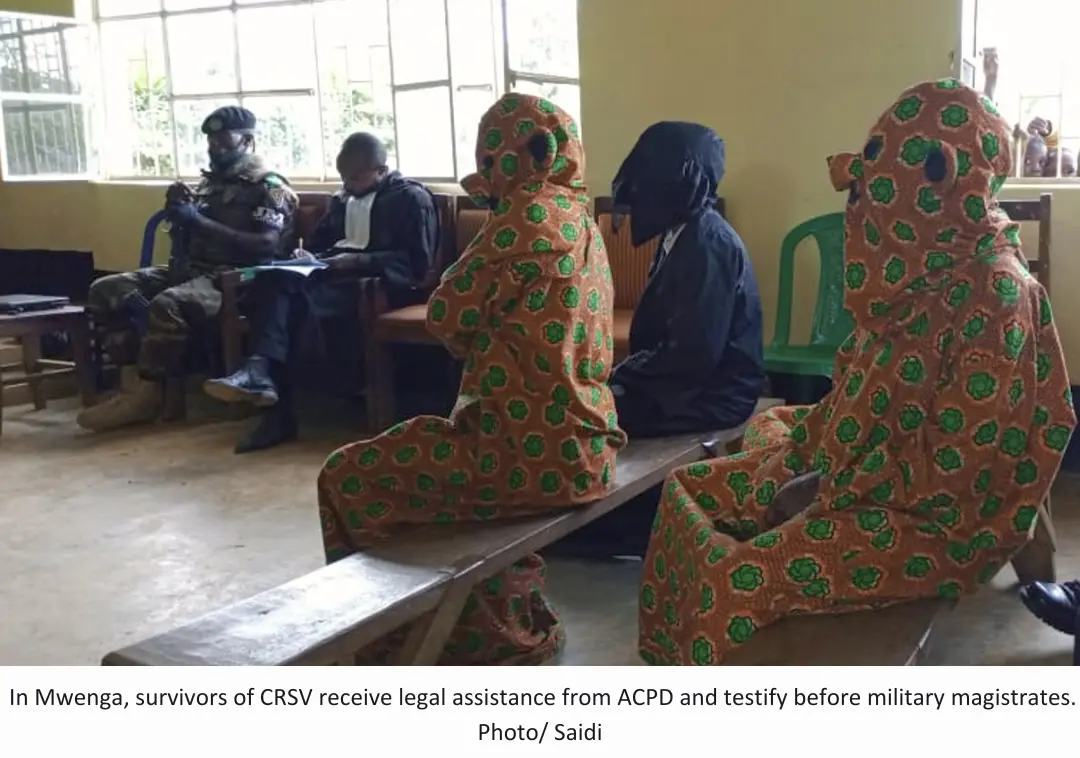
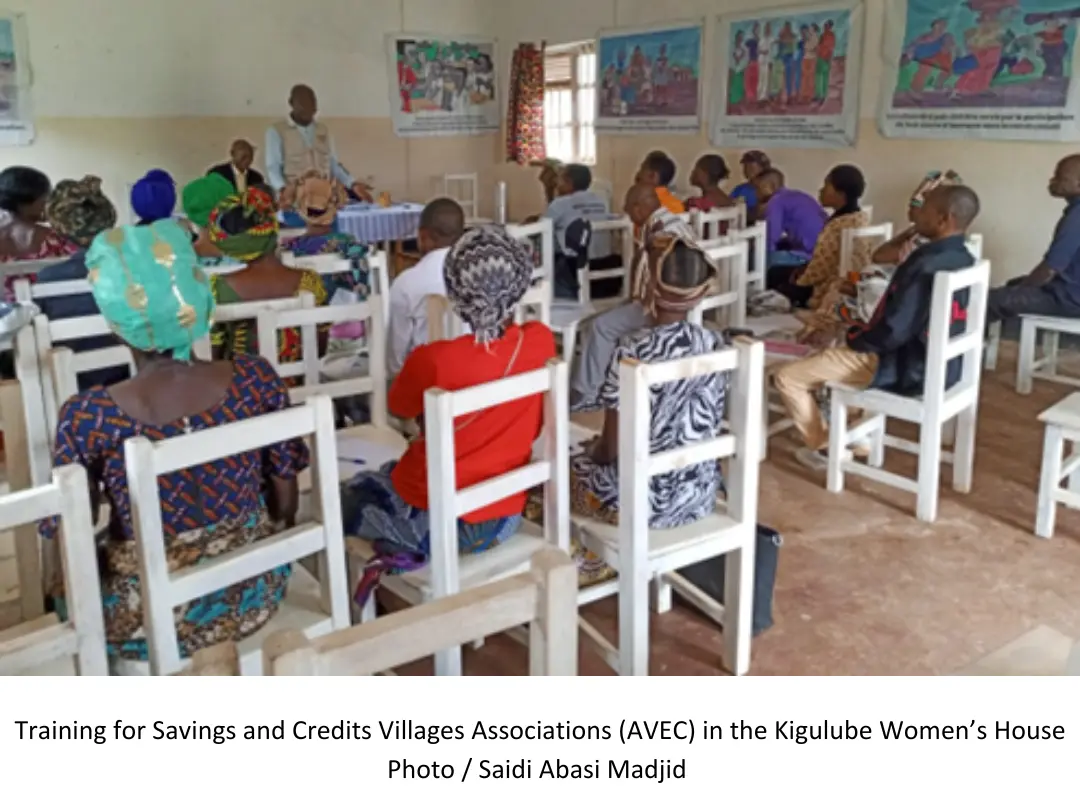
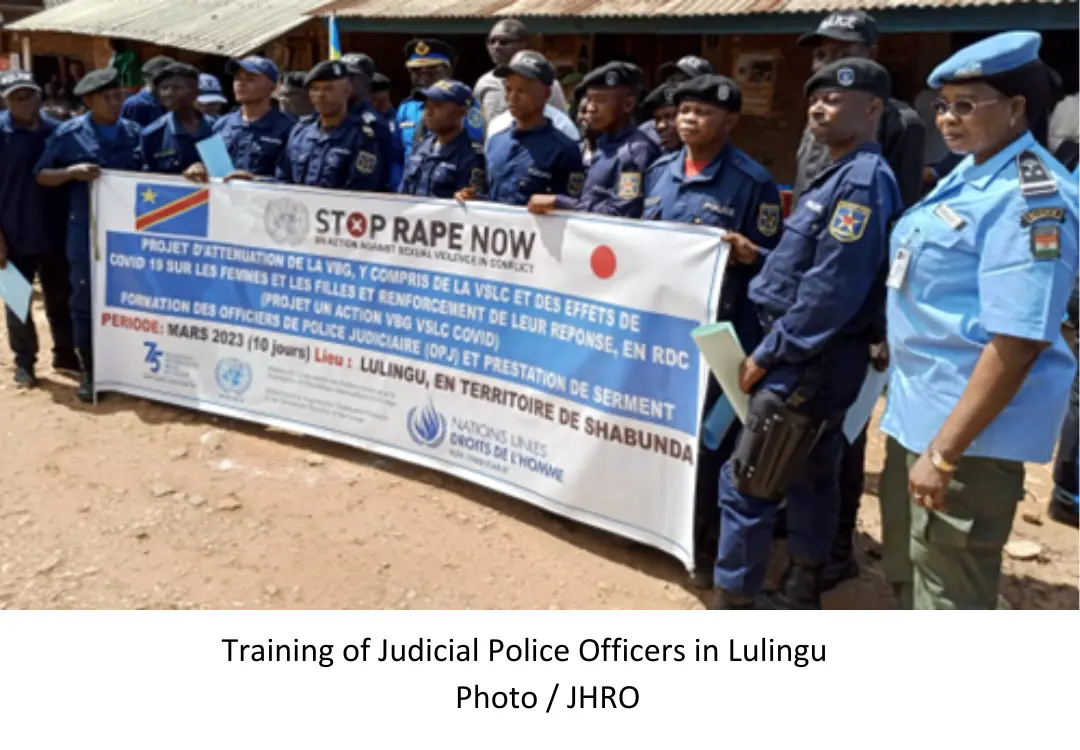
In-Country Operational Support
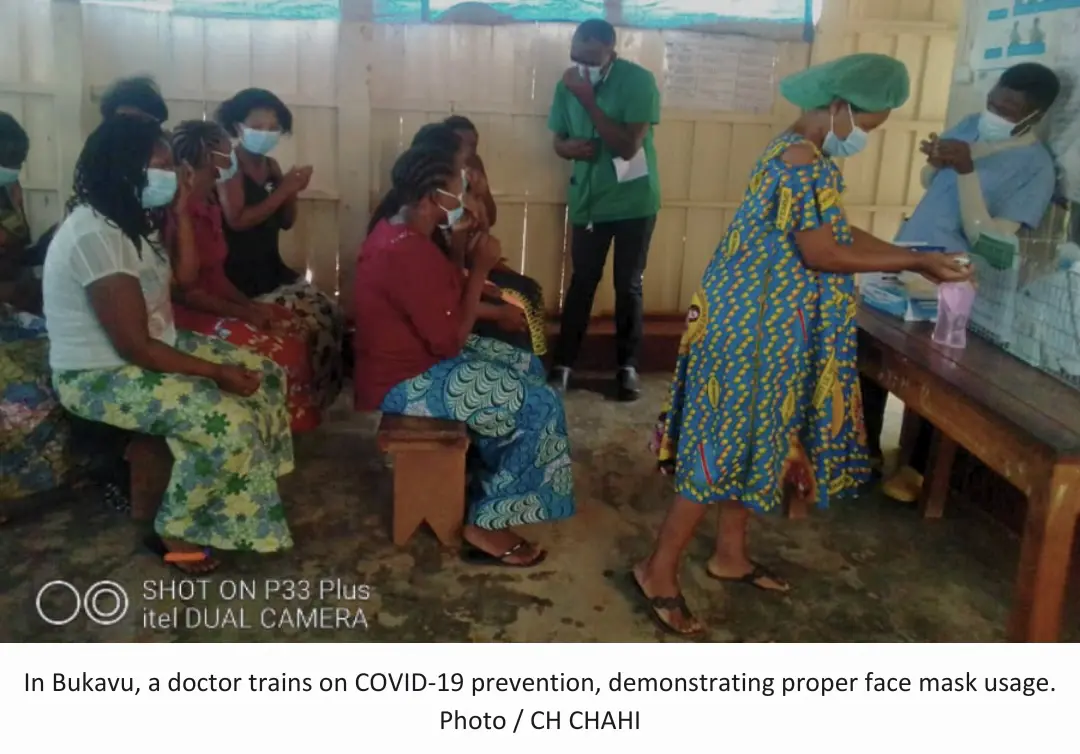
UN Action’s project “Reinforcement of the Multi-Sectoral Service Pillar to improve access to quality life-saving services for CRSV survivors”, implemented by OHCHR and MONUSCO from March 2022 to March 2023, significantly strengthened the availability and coordination of essential services for survivors of conflict-related sexual violence (CRSV) in the Democratic Republic of the Congo, particularly in conflict-affected areas.
Through UN Action’s catalytic role, the project enhanced the safety, accessibility, and quality of multi-sectoral assistance, ensuring that survivors continued to receive life-saving support despite persistent insecurity. A total of 755 survivors accessed integrated services, including medical care, psychosocial support, legal assistance, shelter, transportation, and reintegration services. Among them, 325 survivors received medical and psychosocial care, 225 benefited from shelter, food, and transport assistance, and 272 accessed justice and legal aid.
Beyond direct service delivery, UN Action’s contribution was instrumental in reinforcing institutional and community capacities. Twenty-seven judicial police officers were trained on CRSV, contributing to strengthened accountability mechanisms and the fight against impunity. In addition, 375 women actively participated in the design of project activities, ensuring that interventions were responsive to survivors’ needs and grounded in local realities.
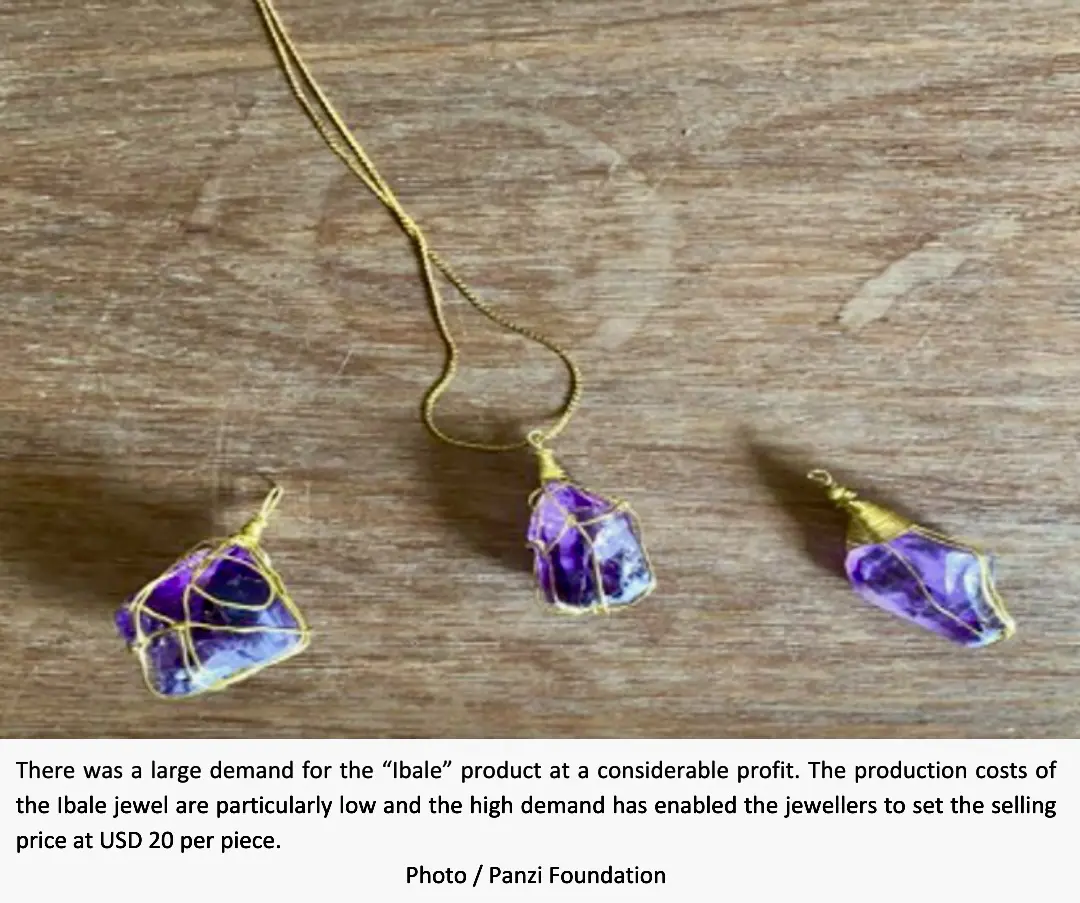
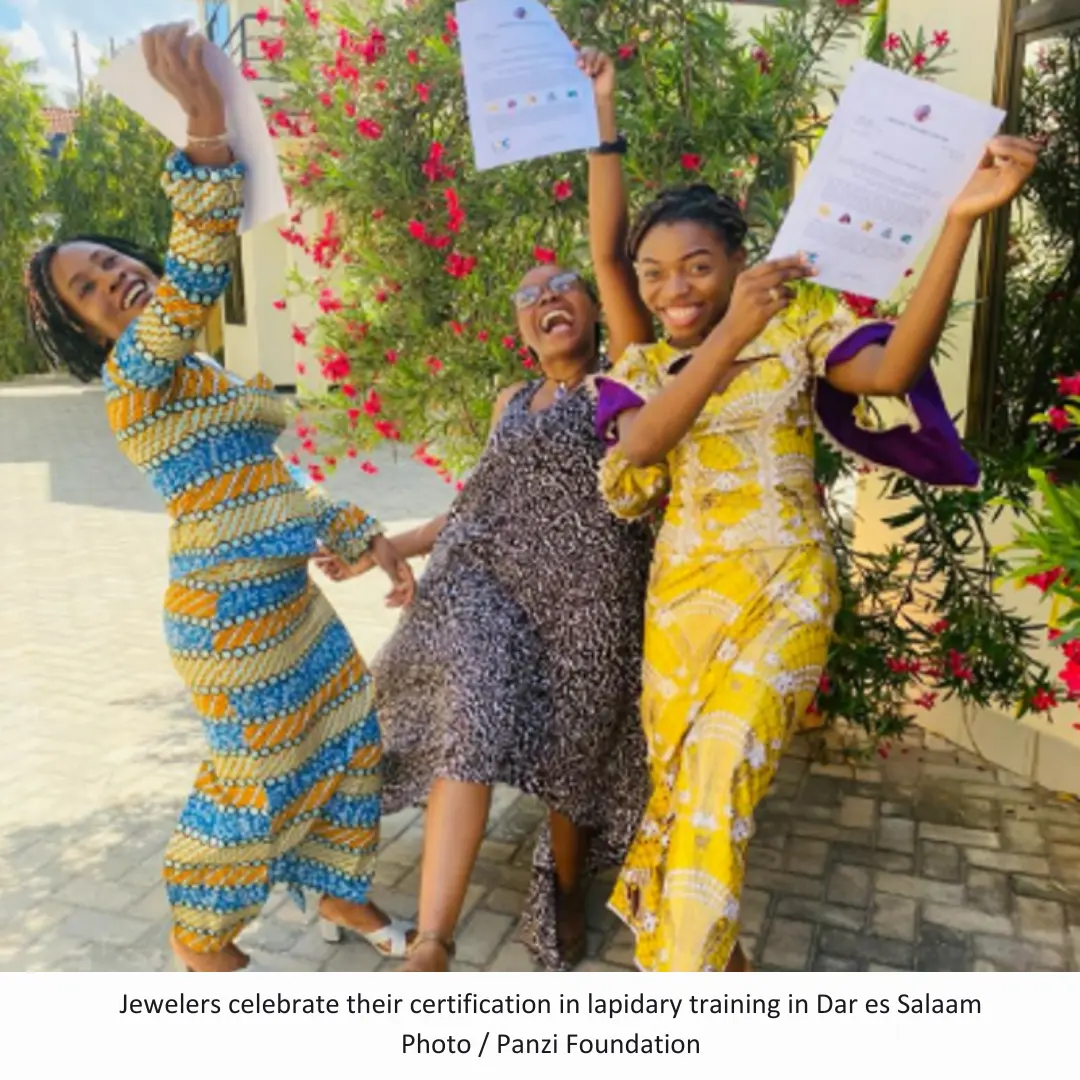
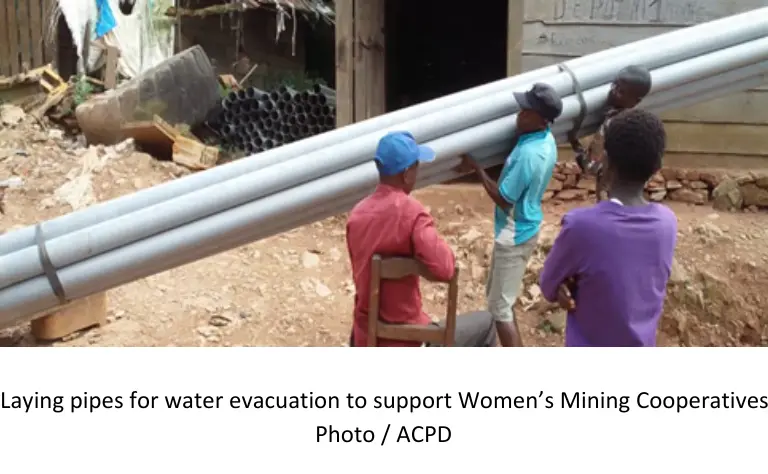
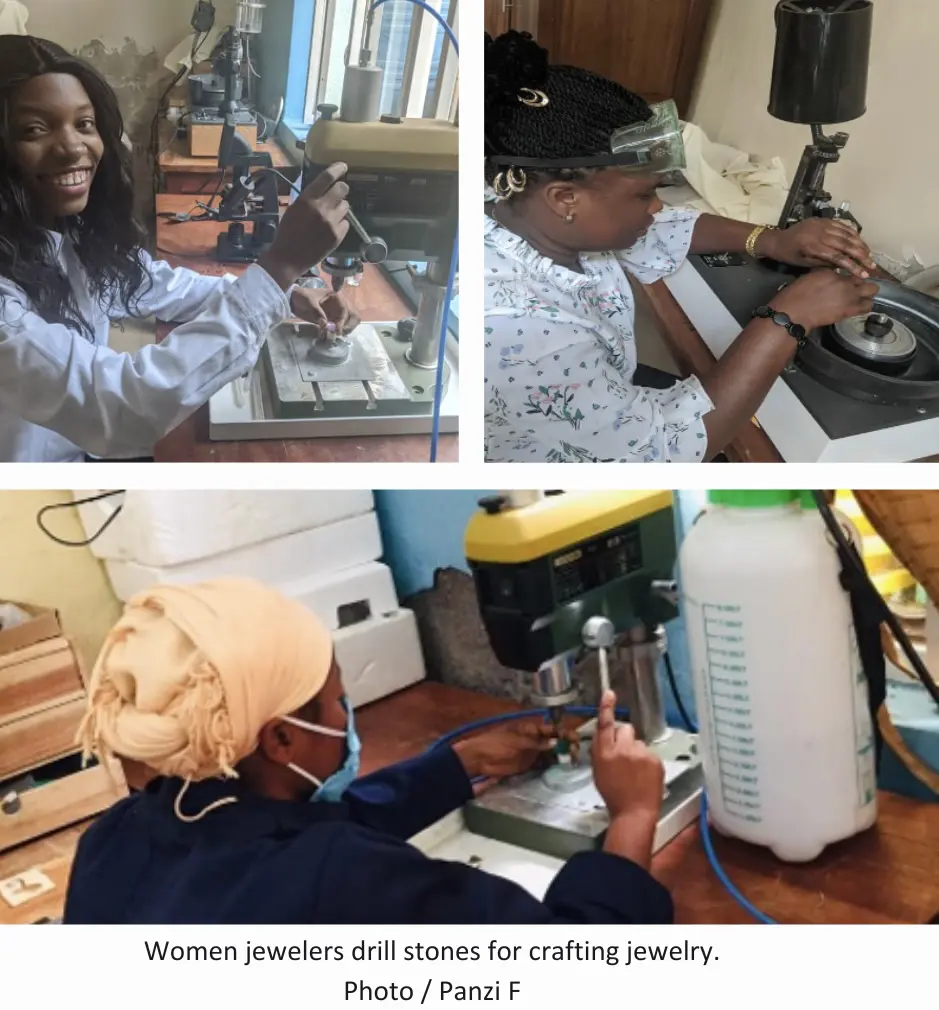
The project also addressed the structural drivers of vulnerability by promoting women’s economic empowerment, particularly within the artisanal mining sector. 13 women were trained in lapidary work, while 50 received training in small business management, enhancing their livelihoods and long-term resilience. Overall, UN Action played a decisive role in expanding access to integrated services, strengthening justice responses, and fostering socio-economic resilience for CRSV survivors and at-risk women in the DRC.
Before this project, between 2011 and 2015, three key projects supported by UN Action had already laid the groundwork for a stronger, more coordinated response to sexual violence in Eastern DRC.
From 2011 to 2013, the first initiative developed a sustainable knowledge base mapping sexual violence programs and NGO partners, enabling better understanding of local and international needs and fostering alignment with the National Strategy on GBV.
In 2012–2013, the second project reinforced the multi-sectoral service pillar, improving coordination and access to life-saving care for survivors. It also led to the Government’s validation of national protocols on minimum standards of care, a milestone for harmonizing services across the country.
Finally, between 2012 and 2015, the third project strengthened MONUSCO’s capacity to implement the MARA framework through the deployment of a Women Protection Adviser. This role ensured standardized data collection, guided investigations, and promoted accountability, contributing to concrete actions such as arrests following mass rape cases.
Together, these projects demonstrate how UN Action played a pivotal role in promoting coordination, knowledge-sharing, and quality standards, creating a more integrated and effective system to combat sexual violence in conflict settings.