UN Action’s Impact
Somalia has been listed as a situation of concern in the Report of the Secretary-General on Sexual Violence in Conflict since the inception of the CRSV mandate.
Across Somalia, the protracted conflict and the dire humanitarian situation, compounded with clan disputes, fragile state institutions, including those in charge of justice, are all factors that heighten the risk of conflict-related sexual violence (CRSV). The weak legal framework and the use of local dispute resolution mechanisms have contributed to impunity for perpetrators of these crimes.
Since 2016, UN Action has supported targeted initiatives to strengthen CRSV prevention efforts, justice responses, support survivors, and advance accountability through survivor‑centred and culturally appropriate approaches. Please read more about these initiatives under ‘In-Country Operational Support’.
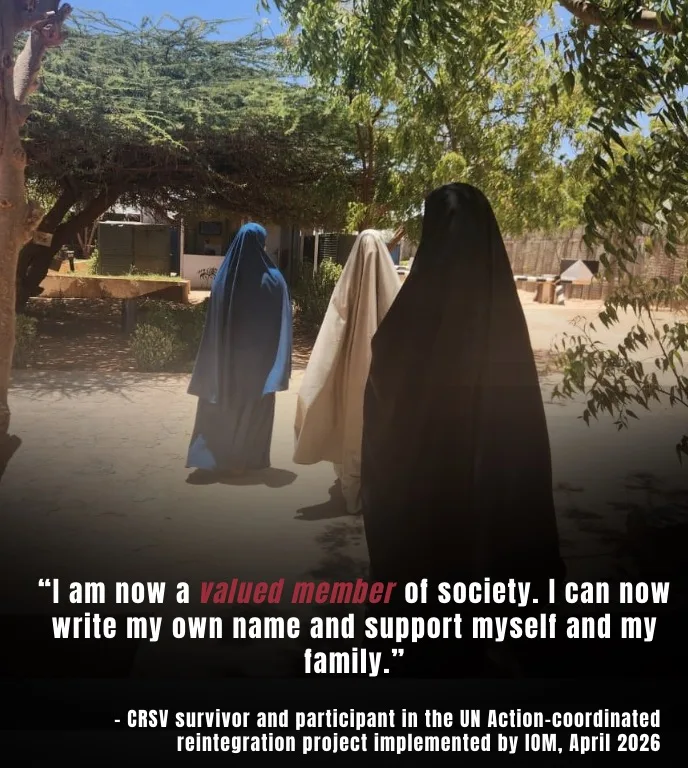
A quote from a survivor of conflict-related sexual violence in Somalia who took part in a project supported by UN Action is included on the right.
Photos from our Activities
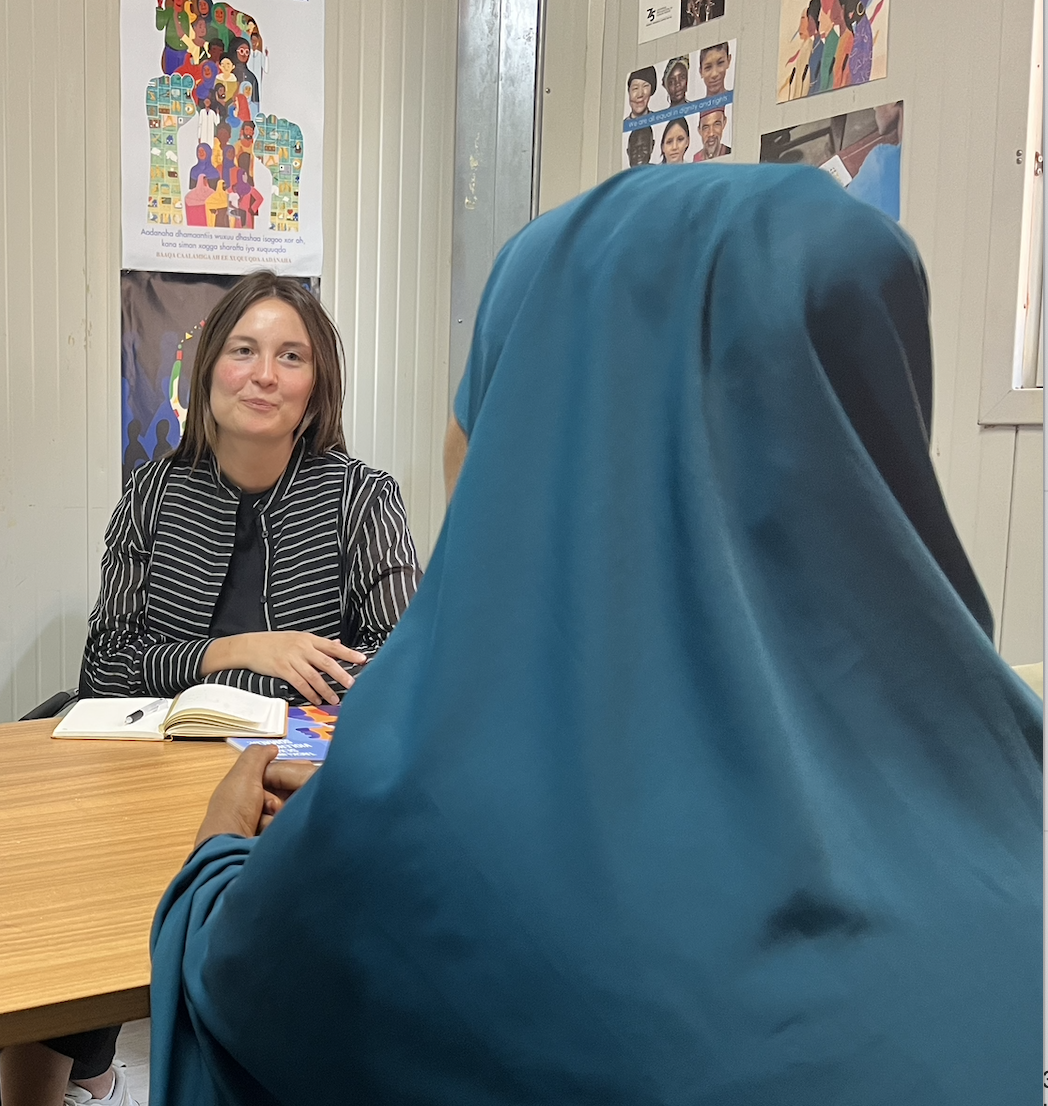
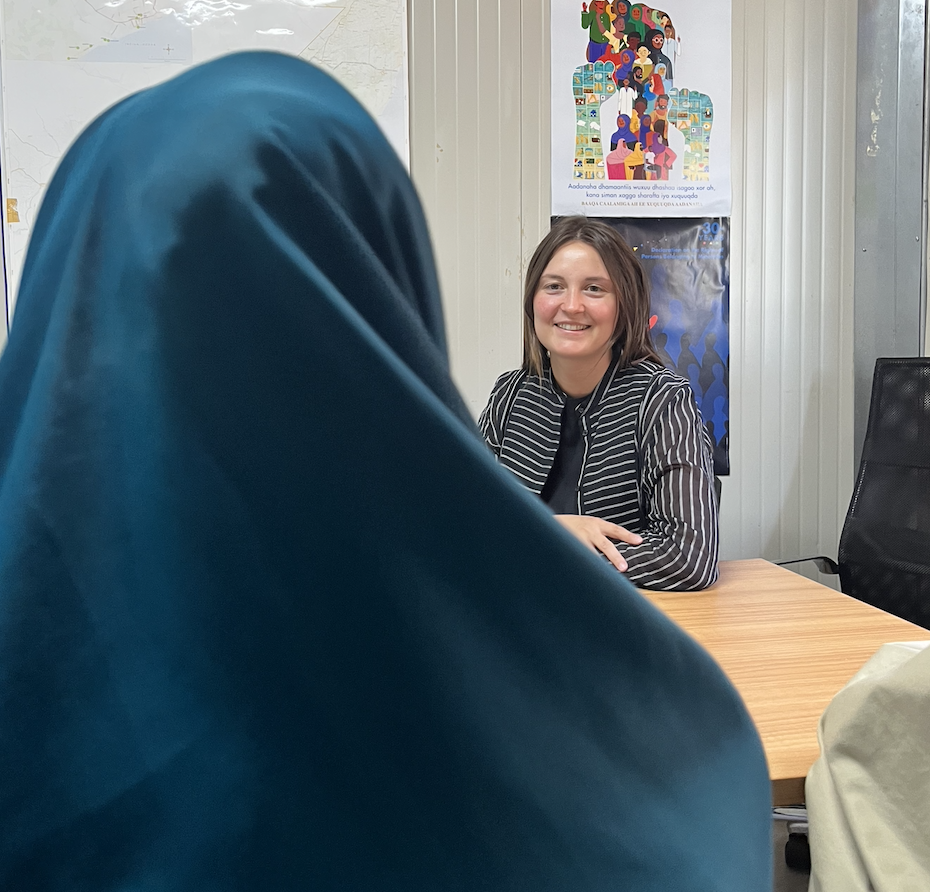
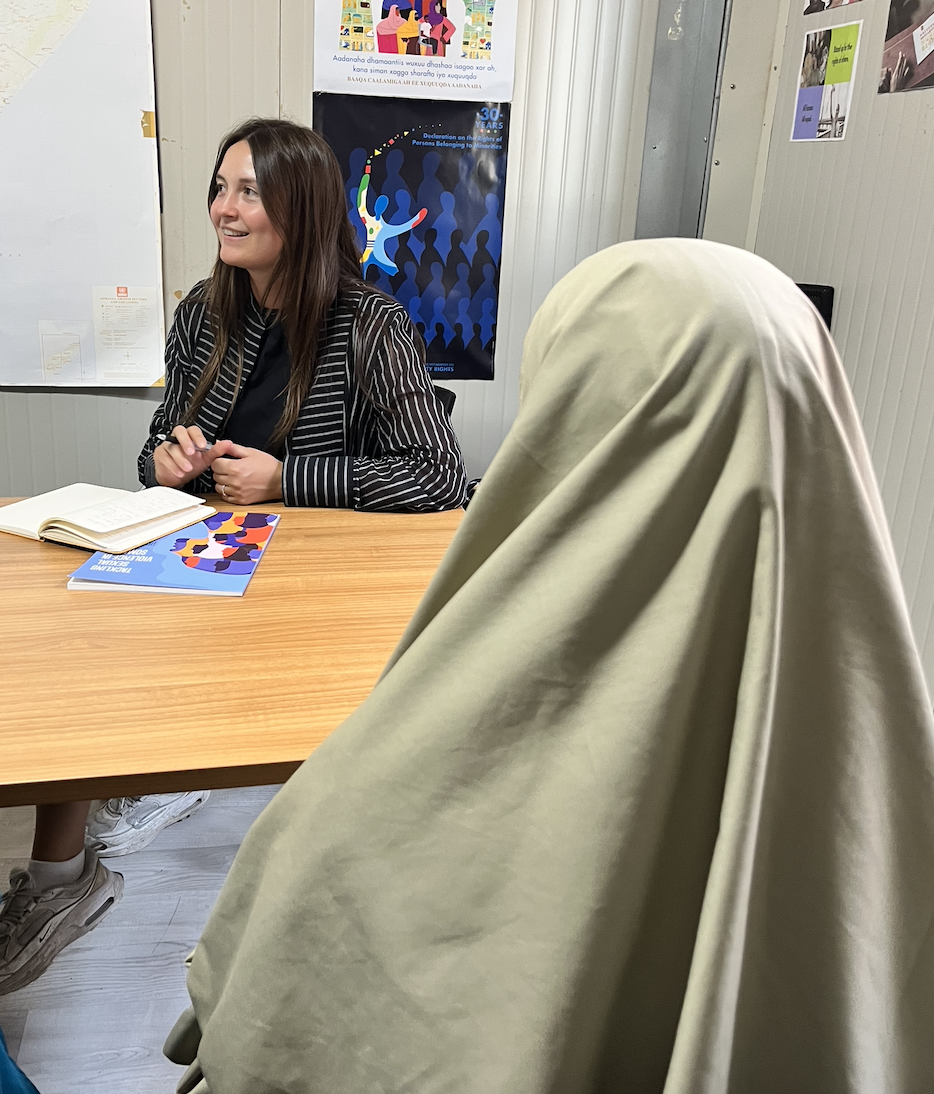
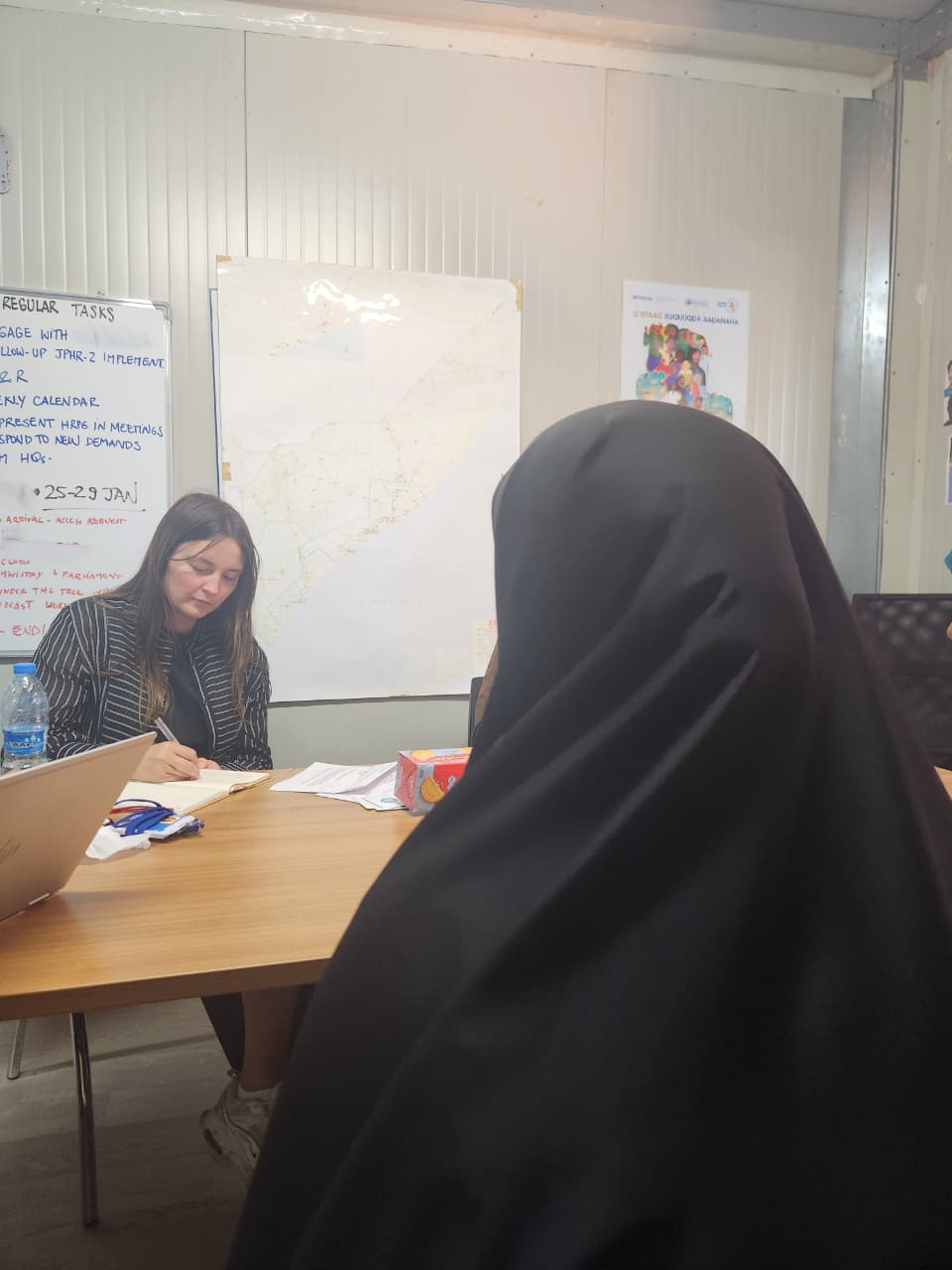





In-Country Operational Support
Advancing Prevention Efforts, Accountability and Command Responsibility (2026)
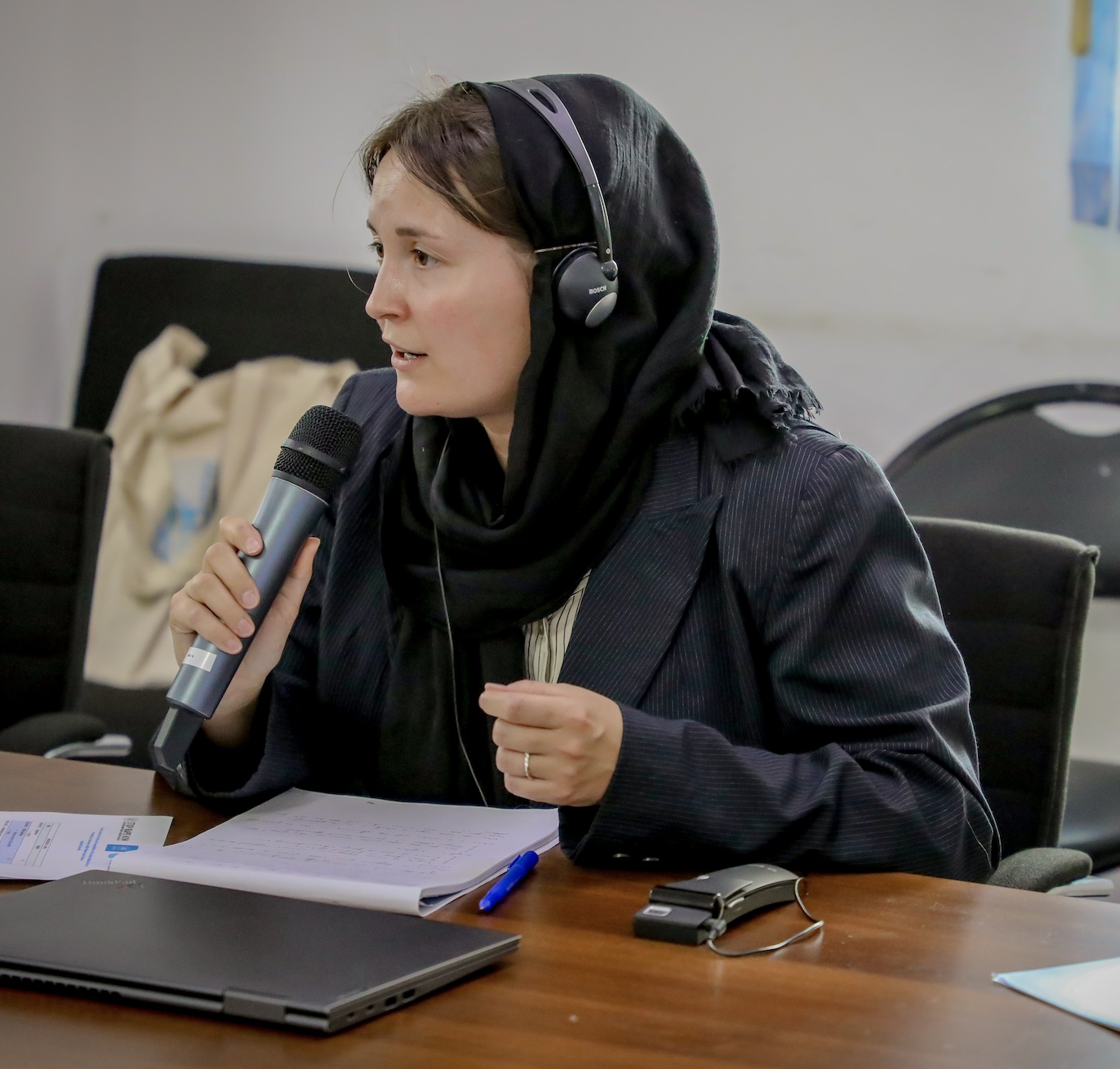
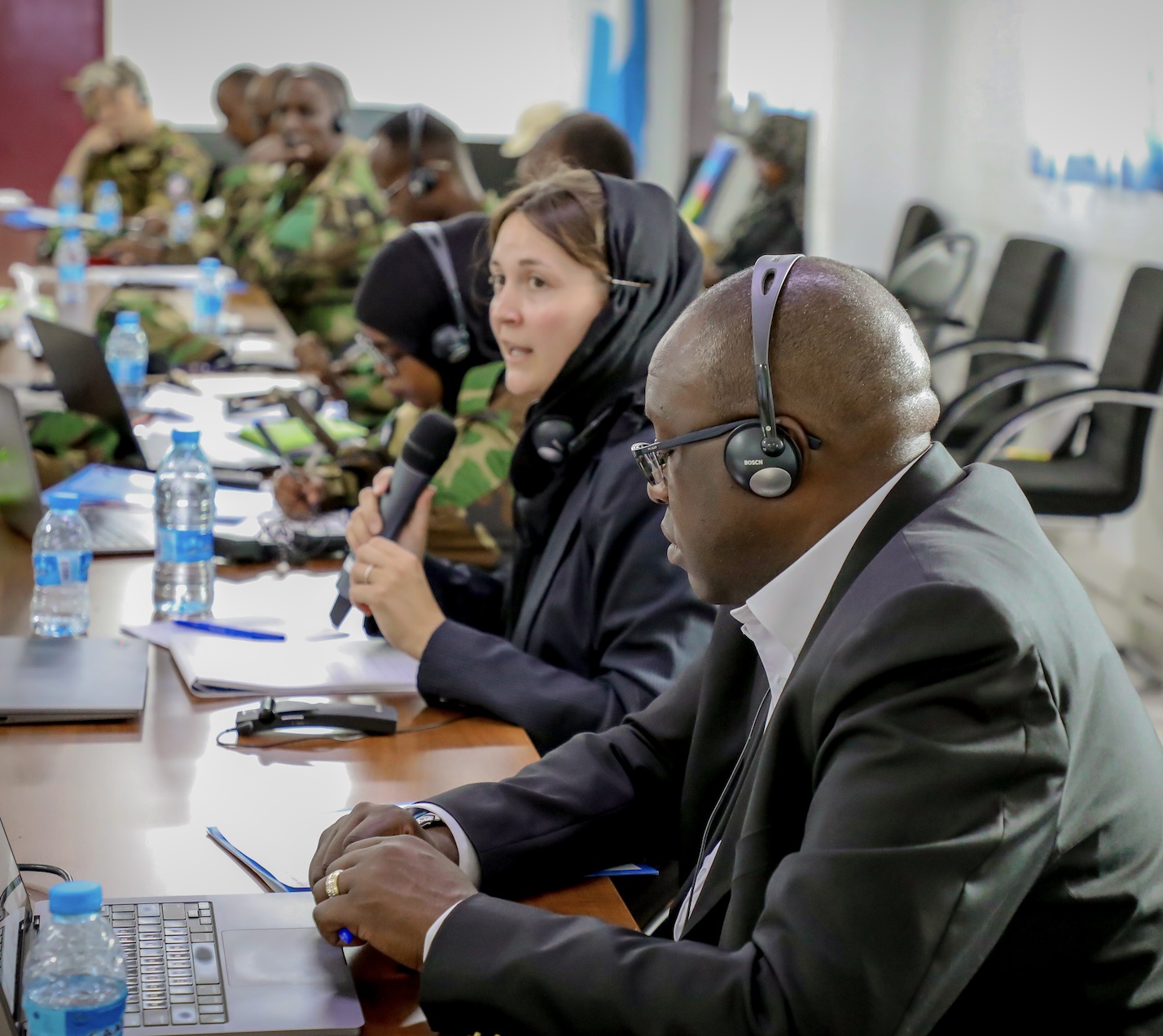
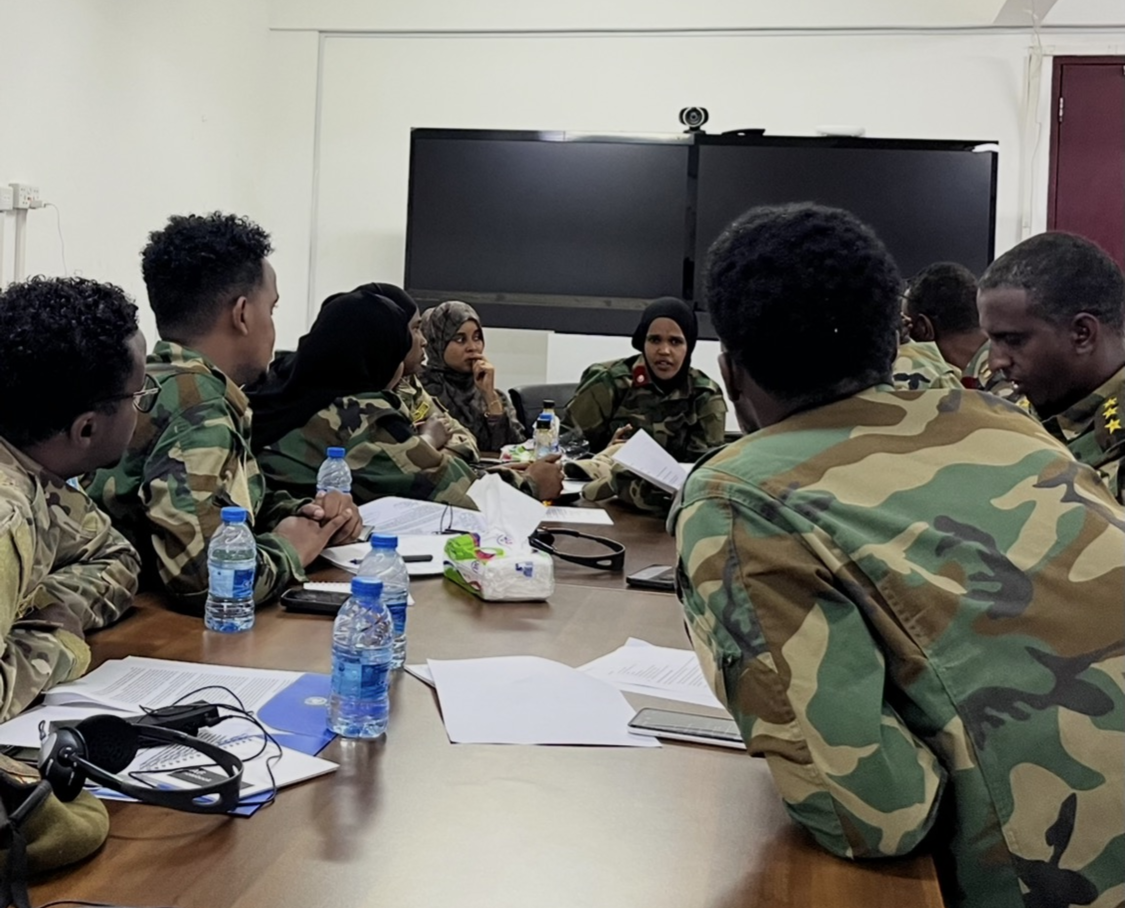
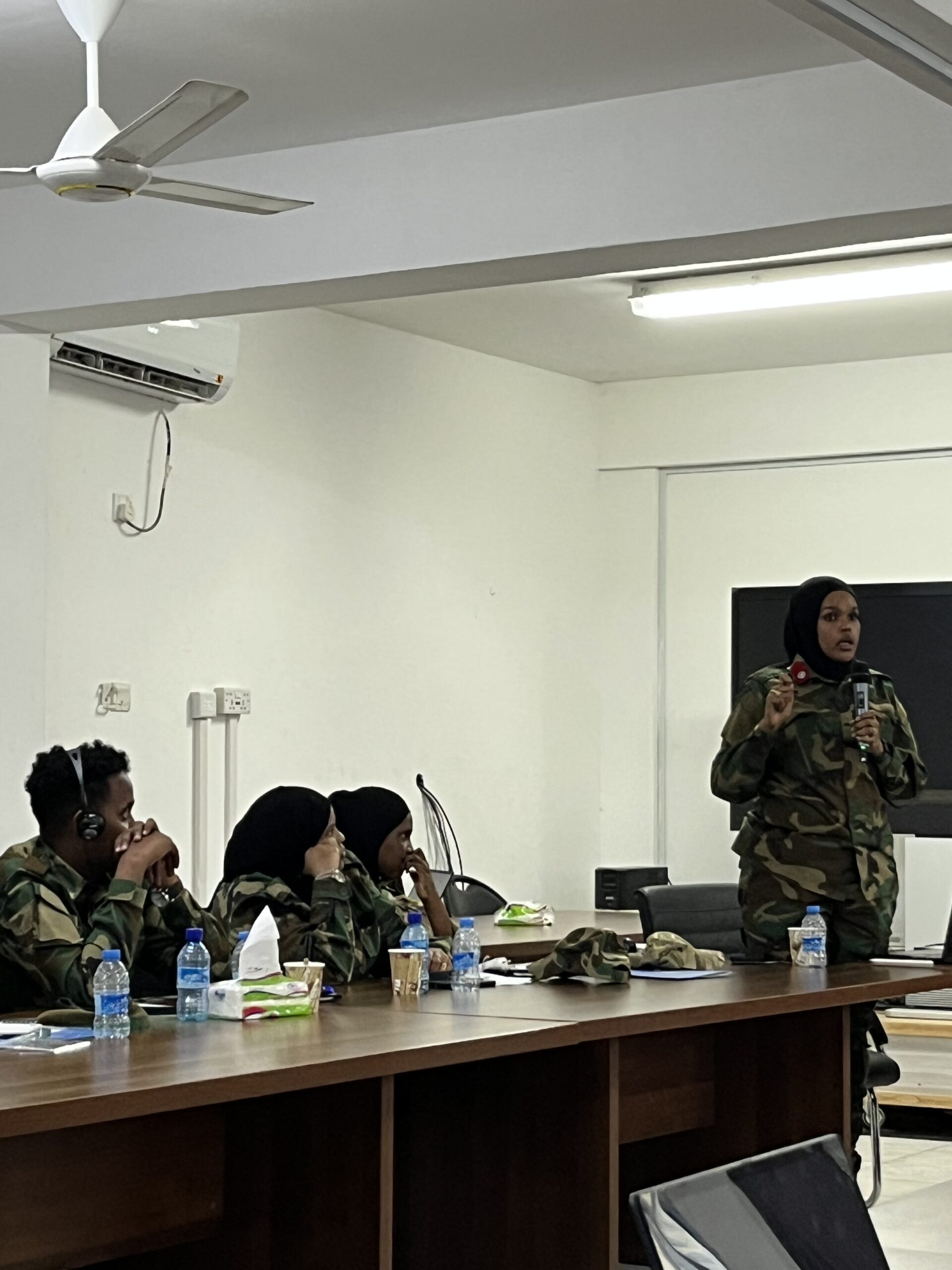
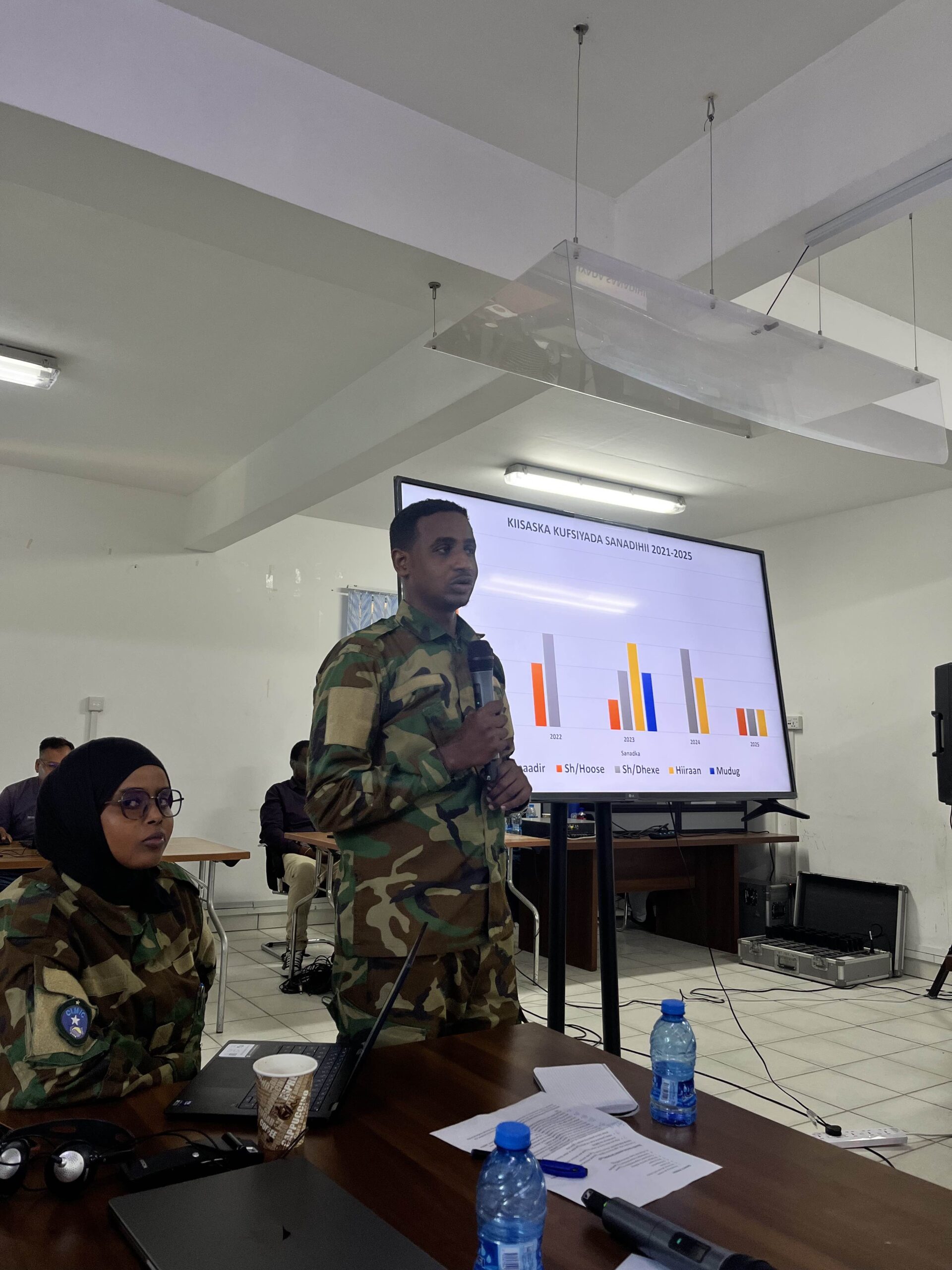
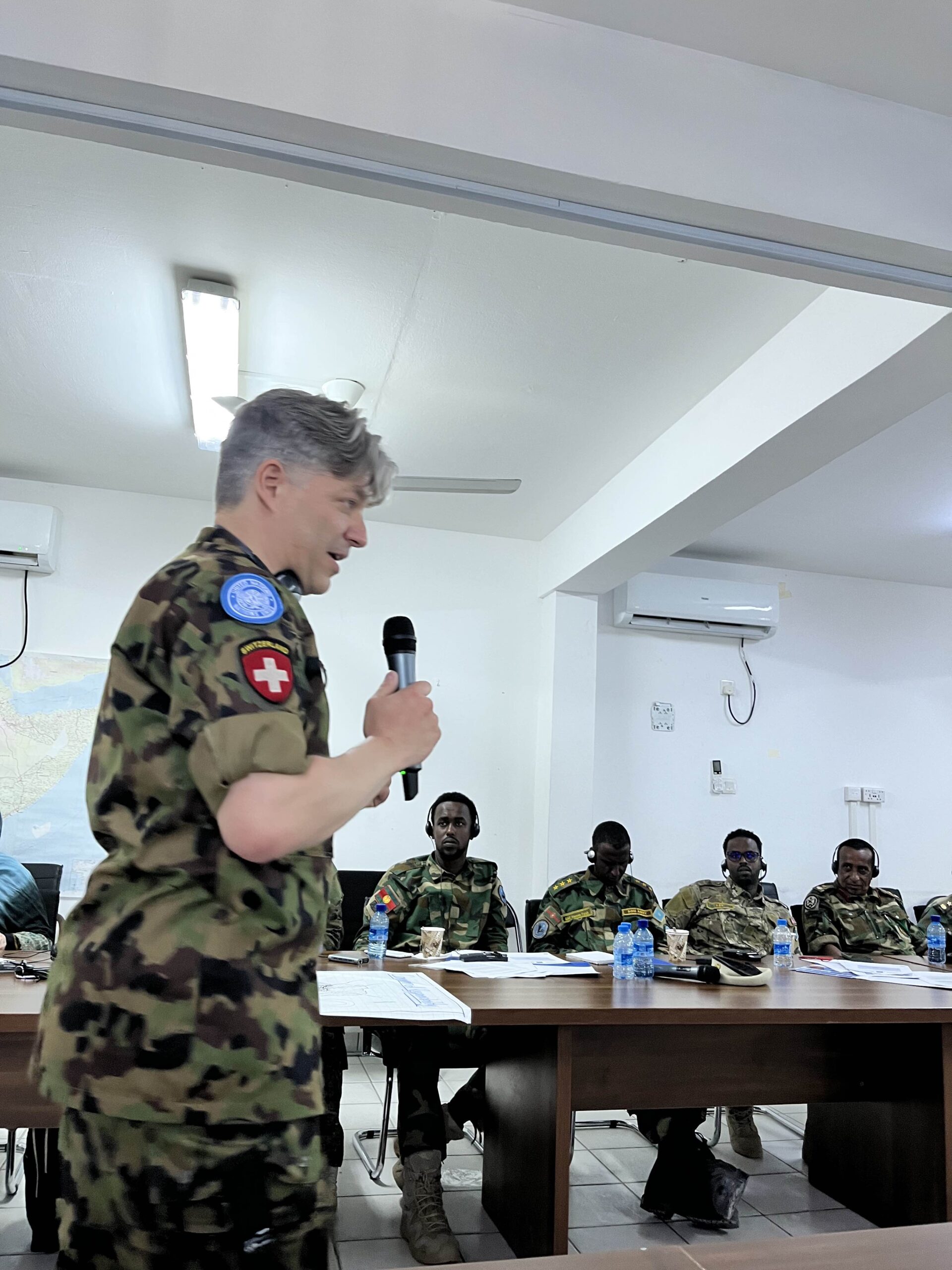
In April 2026, UN Action and the Military Expert of the Office of the Special Representative of the Secretary‑General on Sexual Violence in Conflict deployed a technical mission to Somalia to support CRSV prevention and response initiatives of the Senior Women’s Protection Advisor of the UN Transitional Assistance Mission in Somalia (UNTMIS), building on the 2013 Joint Communiqué with the Federal Government of Somalia.
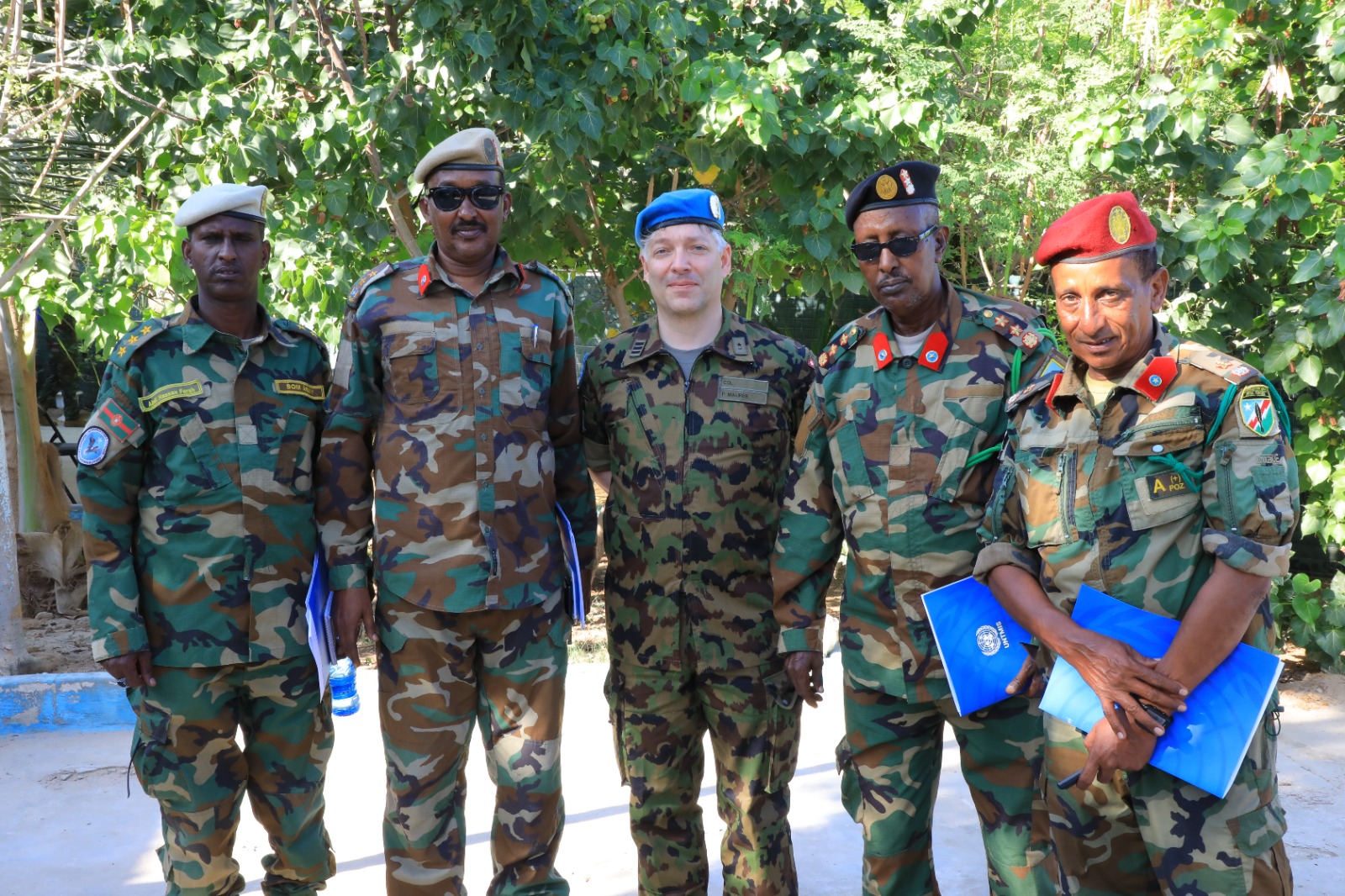
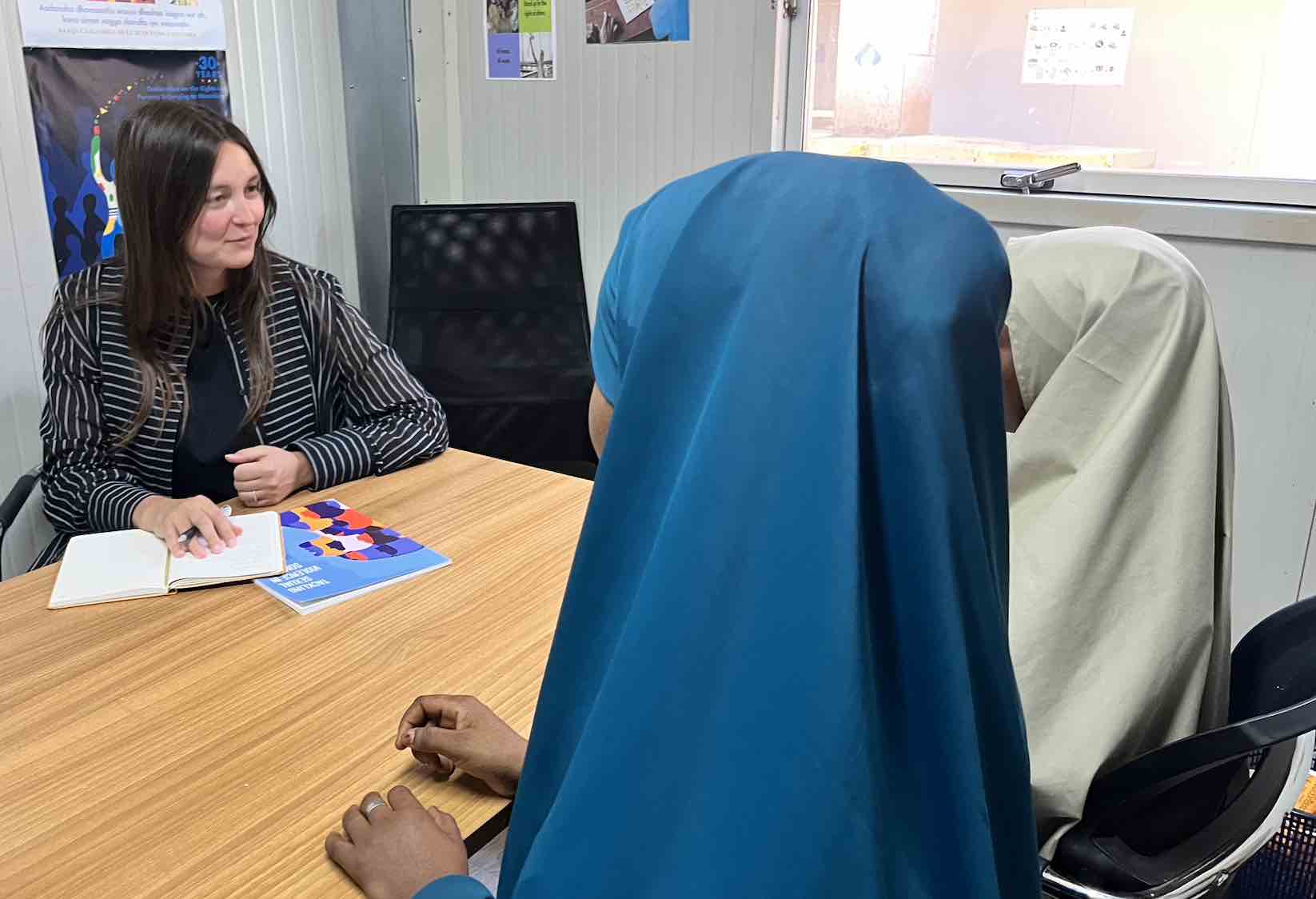
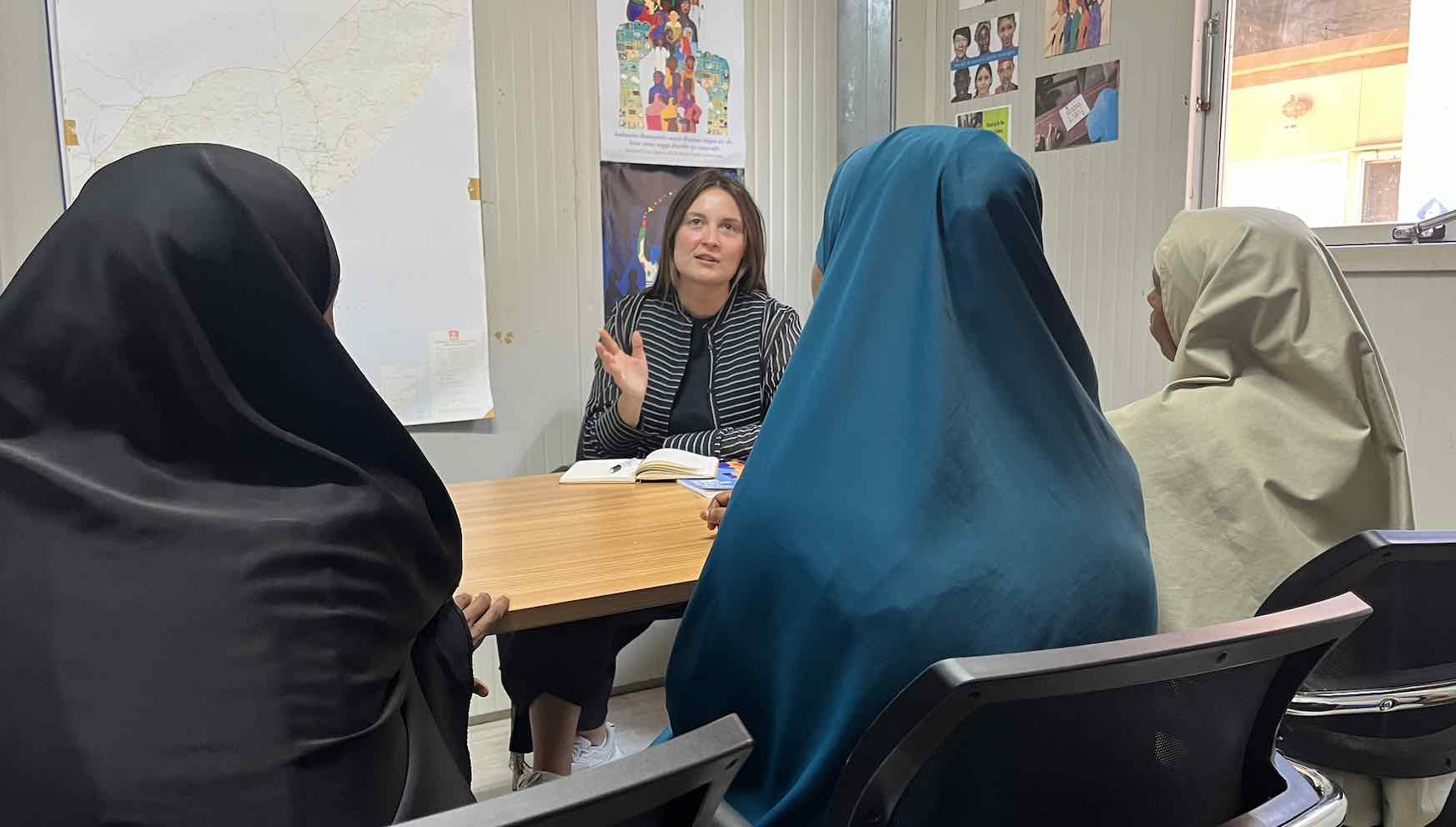
Engagements resulted in a Command Order to address CRSV within the ranks of the Somali Armed Forces. The mission also engaged government officials, the UN country team, and civil society, and verified project outcomes in Kismayo when meeting survivor beneficiaries of a community‑run programme rehabilitation centres, recognised as a women’s protection best practice in the 2024 OHCHR/UNSOM report.
Supporting Survivors’ Recovery and Economic Reintegration (2020–2021)
UN Action’s project “Leveraging Women’s Strength to Mitigate CRSV and Prevent Violent Extremism,” filled a critical gap in the Somalia’s National Programme for the Treatment and Handling of Disengaged Combatants, initially focused exclusively on male former combatants, by providing direct support to women formerly associated with Al-Shabaab (AS). Implemented by IOM and UNSOM between April 2020 and March 2021, the project supported approximately 230 women in Baidoa (Southwest State) and Kismayo (Jubaland State). Many participants were wartime sexual violence survivors.
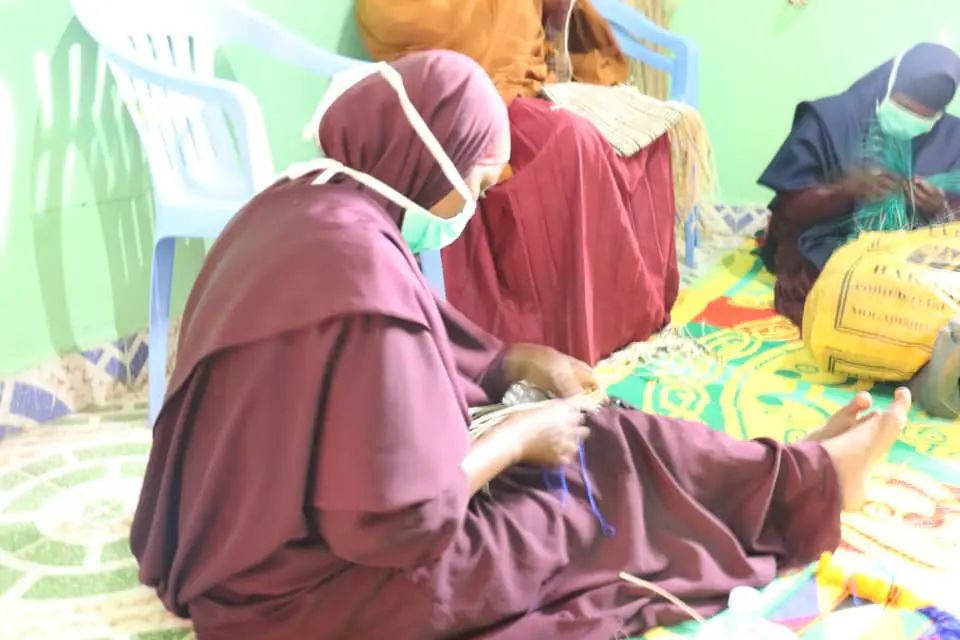
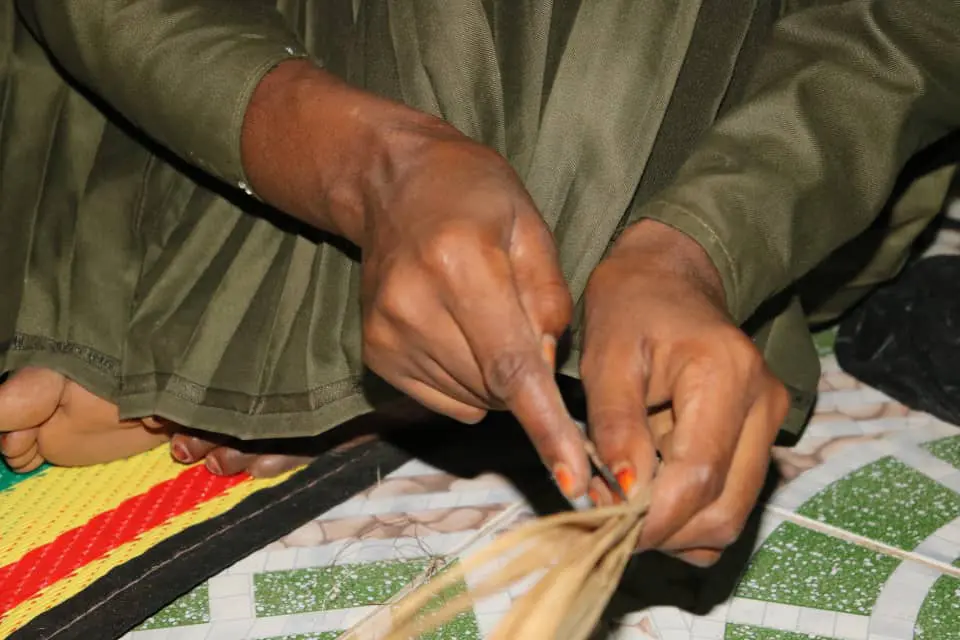
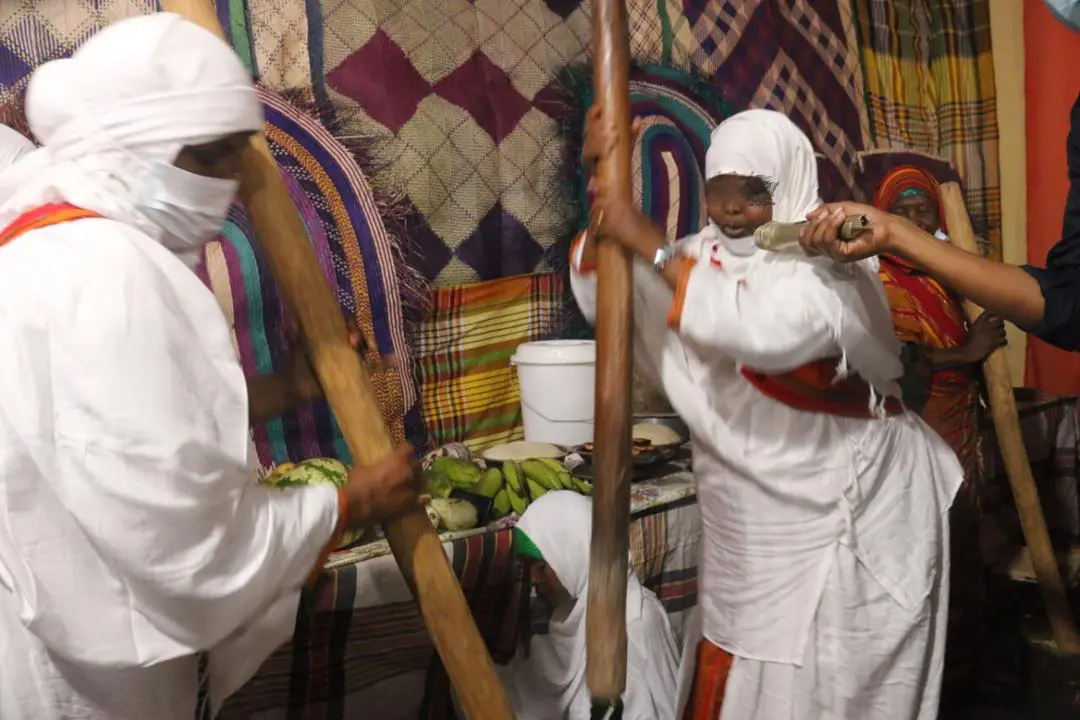
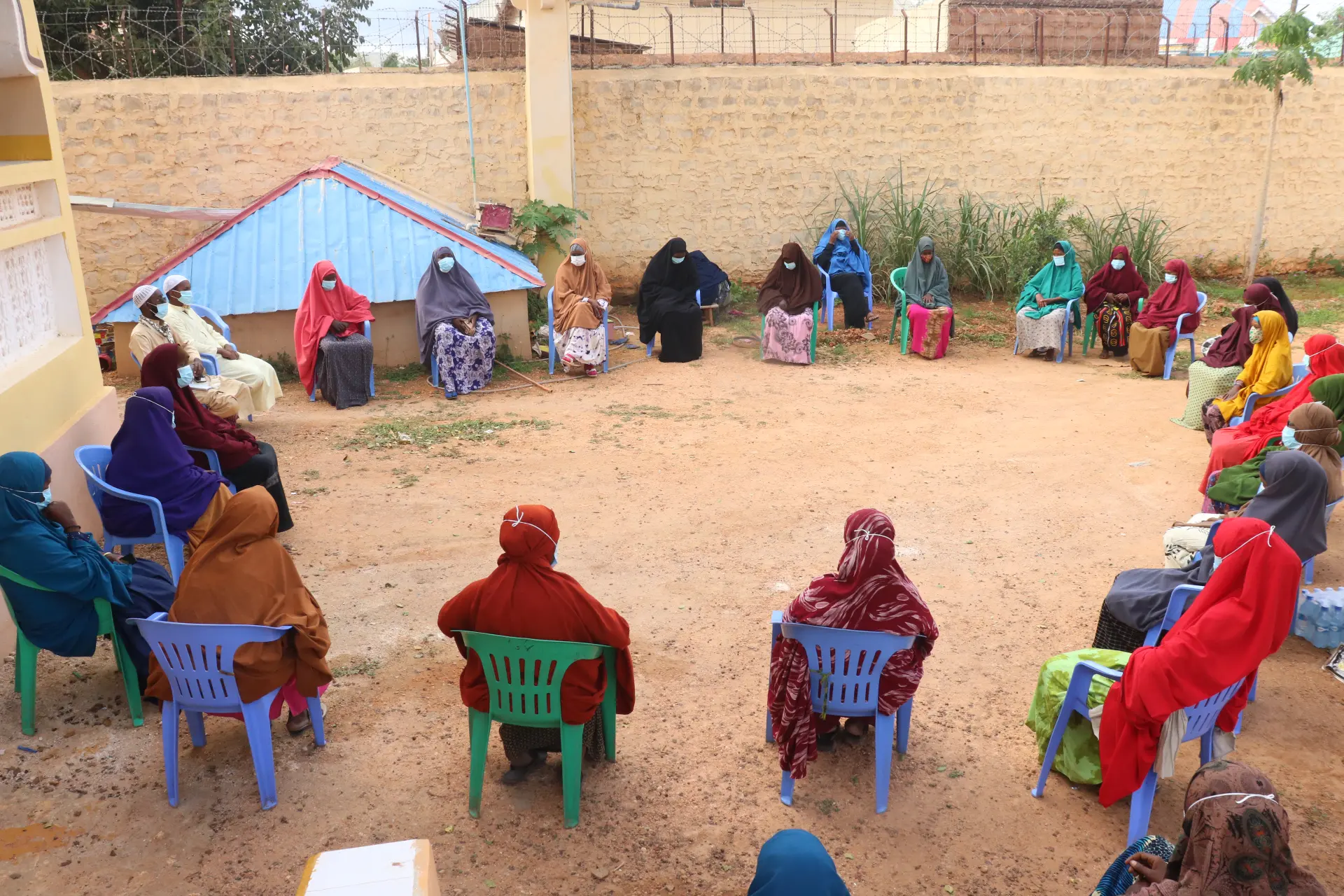
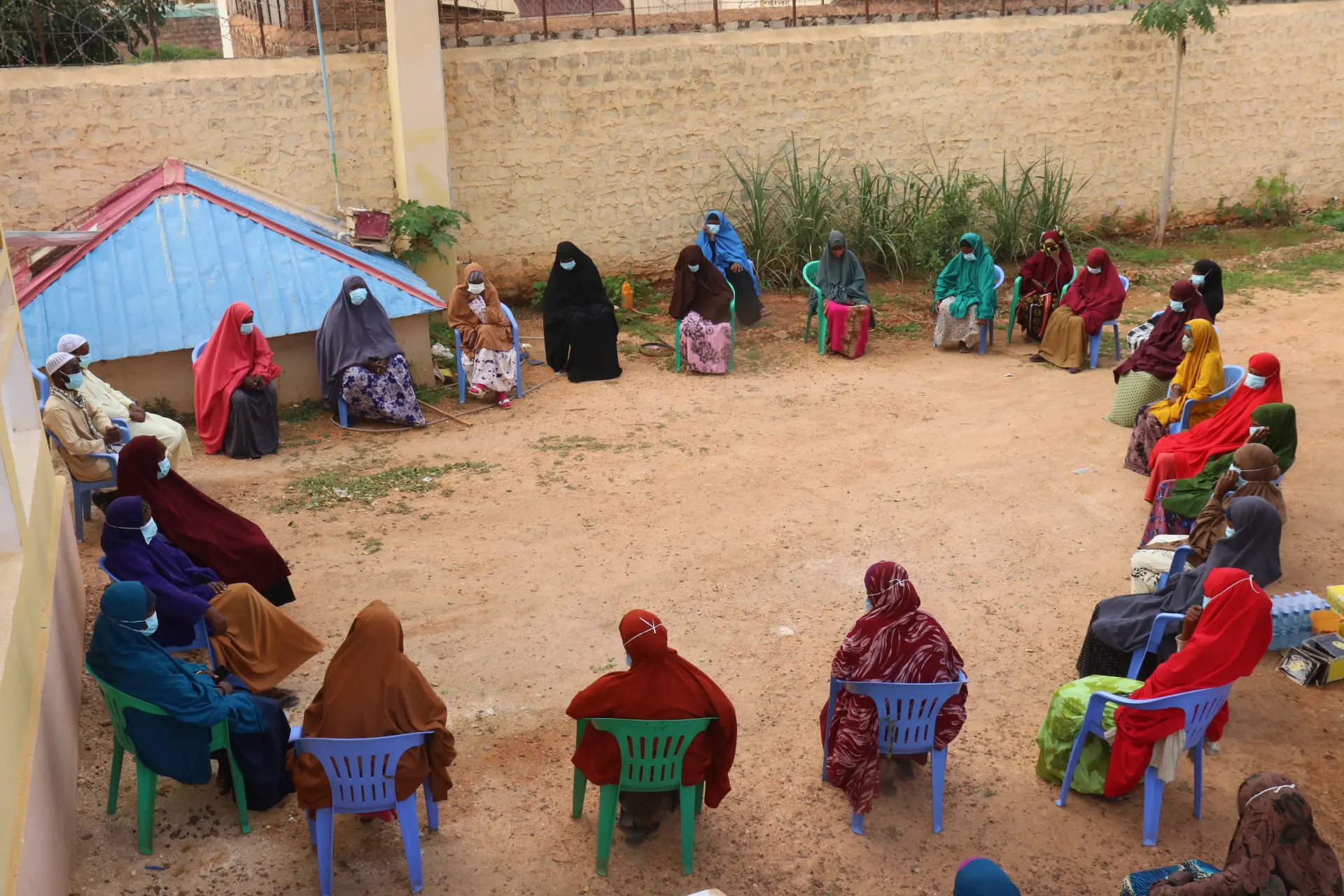
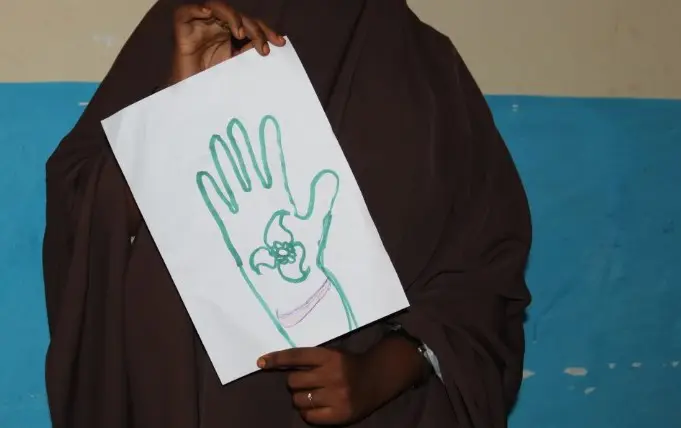
Through partnerships with Disengagement, Disassociation, Reintegration and Reconciliation (DDRR) centres and women‑led organisations, sexual assault survivors accessed medical care, specialised psychosocial counselling, dignity kits, basic education, and referrals. Economic empowerment activities included livelihood training, business development support, and agricultural assistance, alongside innovative therapeutic approaches such as arts and crafts, poetry, sports, and traditional rituals to reduce stigma and promote healing.
The project delivered measurable impact: access to loans increased by 93%, satisfaction with economic status rose from 35% to 96%, and reliable income access expanded from 24% to 92%. The initiative demonstrated how linking CRSV recovery with economic reintegration can contribute to social cohesion and prevent violent extremism. Since the completion of the UN Action project, the National Programme has continued to support CRSV survivors and has strengthened its reintegration components.
Strengthening Justice Responses to Sexual Violence (2016)
In 2016, UN Action supported the project “Building Capacity for Response to Sexual Violence in the Criminal Justice System in Somaliland.” The project piloted a global medico‑legal examination tool developed by UNODC and WHO, adapted to Somaliland’s context, including the near‑universal prevalence of female genital cutting/mutilation (FGC/M) and limited forensic laboratory capacity.
The initiative provided specialised and joint trainings for healthcare providers, police, prosecutors, judges, and legal aid providers linked to the Baahikoob Centres in Hargeisa, Burao, and Boroma. Training centres with varying levels of experience allowed testing the tool’s adaptability across urban and regional settings. Policy‑level engagement with government institutions in Hargeisa reinforced national ownership and coordination across the criminal justice chain.
Through all these combined efforts, UN Action has played a catalytic role in strengthening justice systems, supporting survivor recovery, and advancing accountability for conflict-related sexual violence in Somalia.