
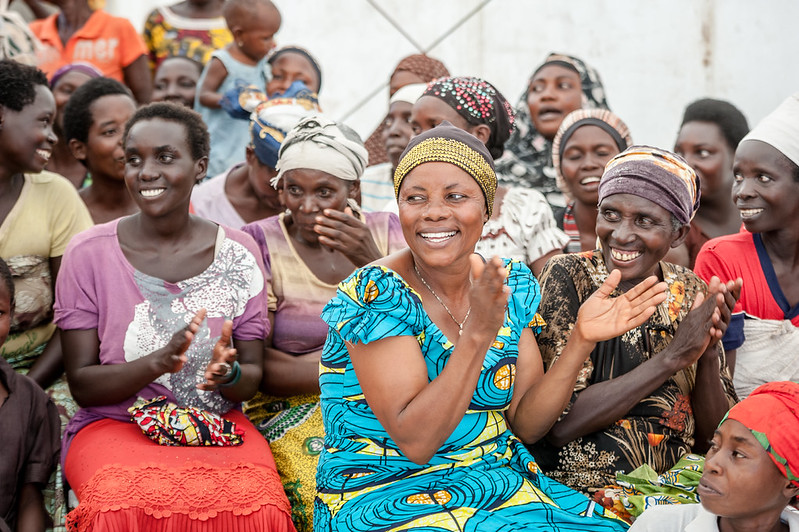
UN Action was created in 2007 in response to the “Call to Action” of the June 2006 Symposium on Sexual Violence in Conflict and Beyond, held in Brussels, with the main goal of uniting efforts across the UN system to end wartime sexual violence.
Founding members included DPA, DPKO, PBSO, OCHA, OHCHR, UNAIDS, UNDP, UNFPA, UNHCR, UNICEF, UNIFEM (now UN Women), and WHO.
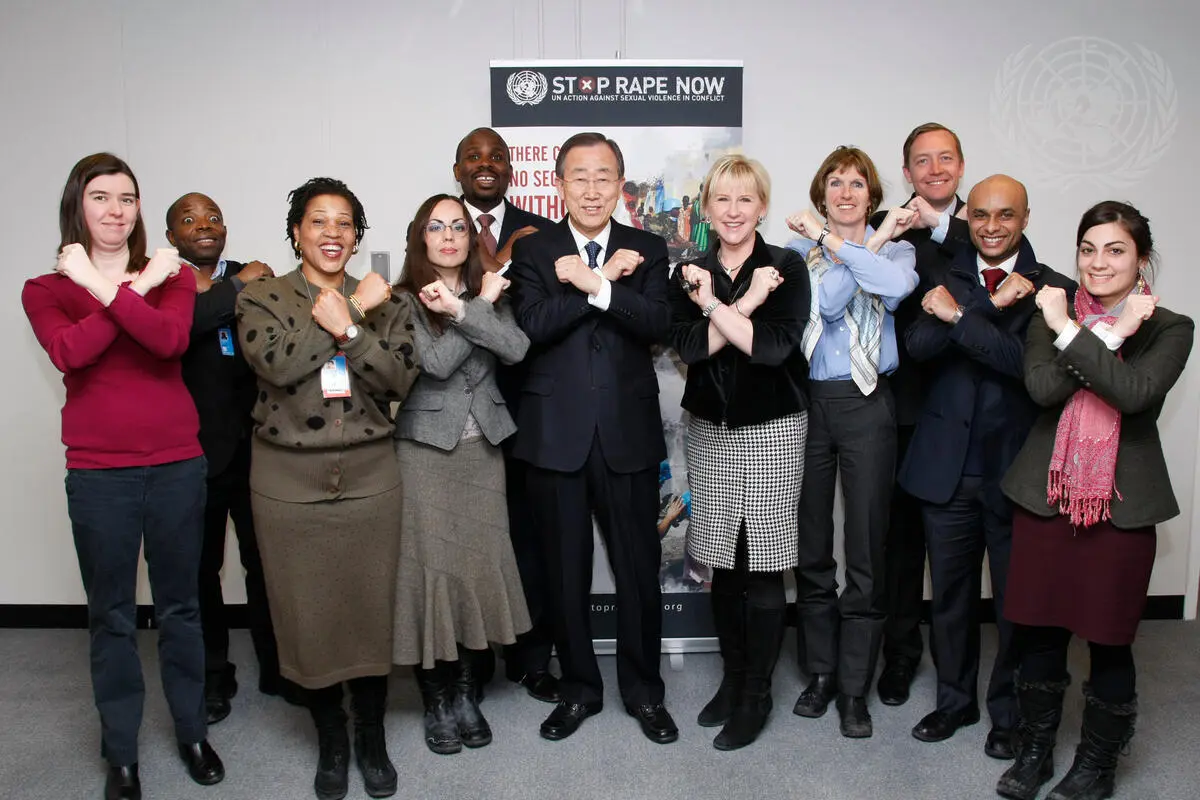
UN Action launched the ‘Get Cross! SRN’ campaign to build a strong and visible global constituency addressing CRSV, then widely described as ‘the world’s least condemned war crime.’ By advocating for recognition of CRSV as a core international peace and security issue, and by calling for dedicated UN leadership, the campaign played a pivotal role in building momentum for the adoption of Security Council Resolution 1820. Learn more about it here.
In May 2008, UN Action served as a catalyst in convening the Wilton Park conference in the UK on women affected by armed conflict and the role of peacekeepers. Bringing together UNSC members except Russia and an unprecedented mix of military leaders, peacekeeping actors, women’s groups, and humanitarian aid workers, the conference helped spark a paradigm shift, recognising sexual assault as a critical security issue. Alongside the SRN Campaign, this momentum directly contributed to the drafting and adoption of the landmark UNSCR 1820 the following month.
The first UN Security Council resolution to recognise CRSV, including as a tactic of war, a core security challenge, and an impediment to the maintenance of international peace and security.
UN Action played a key role in consultations for the first-ever UN Secretary-General’s report on CRSV, helping advance landmark recommendations that informed Security Council Resolution 1888, including the creation of the Special Representative of the Secretary-General on Sexual Violence in Conflict (SRSG-SVC) and the Team of Experts (TOE).
This resolution established the UN Security Council architecture on CRSV and called for the UN Secretary‑General to appoint a SRSG‑SVC and a dedicated Chair of UN Action to provide coherent and strategic leadership, and to promote cooperation and coordination “primarily through the inter‑agency initiative United Nations Action Against Sexual Violence in Conflict”.
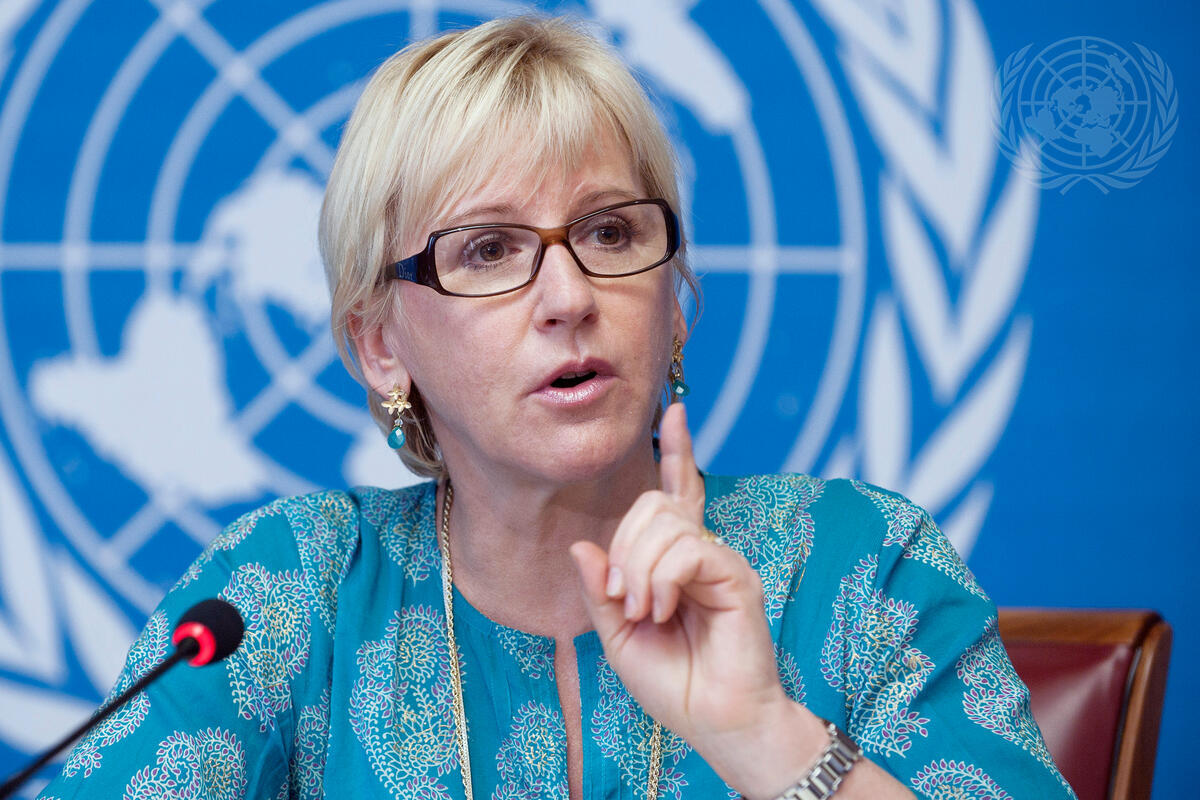
Margot Wallström is appointed as first SRSG-SVC and Chair of UN Action. In her words: " (...) We must deliver as one. I am proud to Chair the inter-agency network, UN Action Against Sexual Violence in Conflict. UN Action has provided strategic support at country-level, and catalyzed joint initiatives such as scenario-based training for peacekeepers (...)."
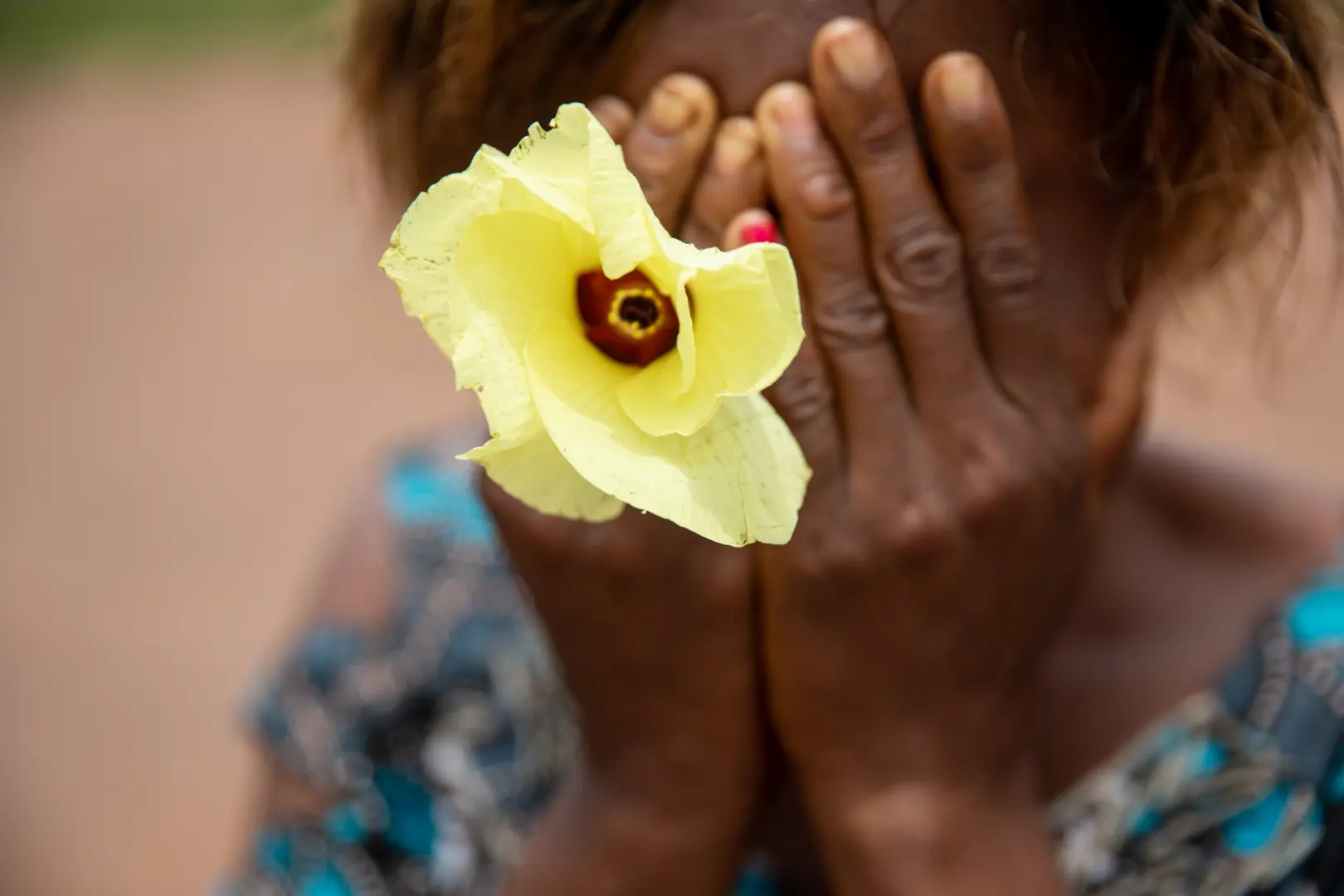
The project was implemented by OCHA to facilitate the development of a Comprehensive Strategy to Combat gender-based violence (GBV), including CRSV, in Eastern Chad.
This resolution called for an accountability regime to end impunity for perpetrators of sexual assault as a tactic of war and reinforced the role of UN Action as the primary mechanism for improving cooperation, coordination and a “system‑wide response” to CRSV by UN actors.
UN Action published Addressing Conflict-Related Sexual Violence: An Analytical Inventory of Peacekeeping Practice, a landmark resource documenting emerging peacekeeping approaches to prevent and respond to CRSV, helping strengthen guidance, coordination, and operational practice across UN missions.
UN Action developed the Matrix of Early-Warning Indicators of Conflict-Related Sexual Violence, providing the first system-wide analytical framework to help identify risk factors, strengthen early warning capacities, and support more timely prevention and protection responses to wartime sexual violence.
Supported by the UN Action MPTF, the first Women's Protection Advisor (WPA) was deployed to the Democratic Republic of Congo. WPA equivalents were also later deployed to Central African Republic, Côte d'Ivoire and South Sudan.
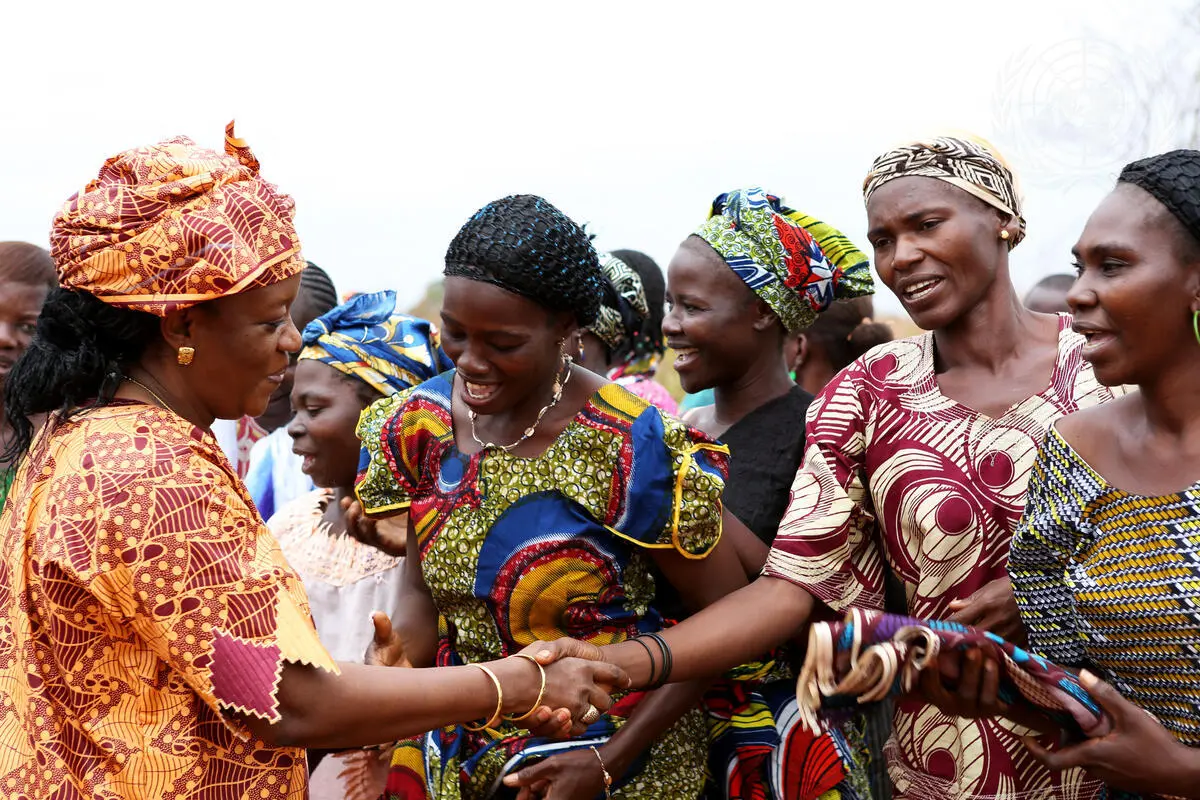
Zainaba Bangura is appointed as second SRSG-SVC. In her words: " (...) The role of UN Action is crucial, particularly to support the development and implementation of comprehensive national strategies to combat sexual violence and deliver multisectoral services to survivors."
An independent review of UN Action (2007–2012) recognized the Network’s transformative role in advancing global policy, strengthening UN system-wide coordination, and elevating CRSV as a priority peace and security issue, helping shape a more coherent and effective international response.
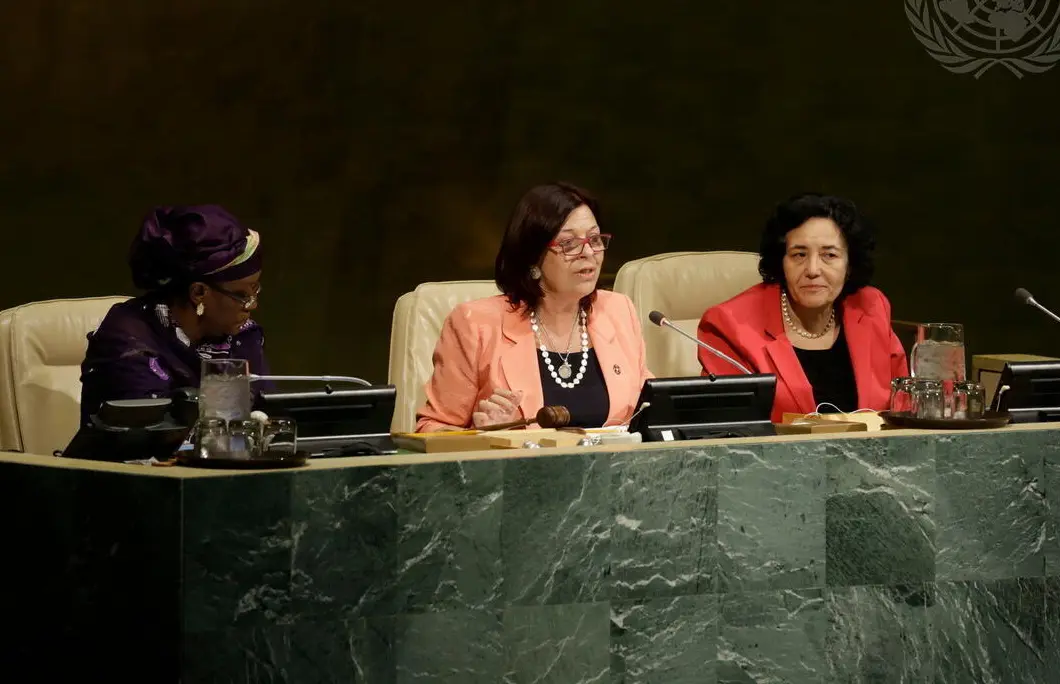
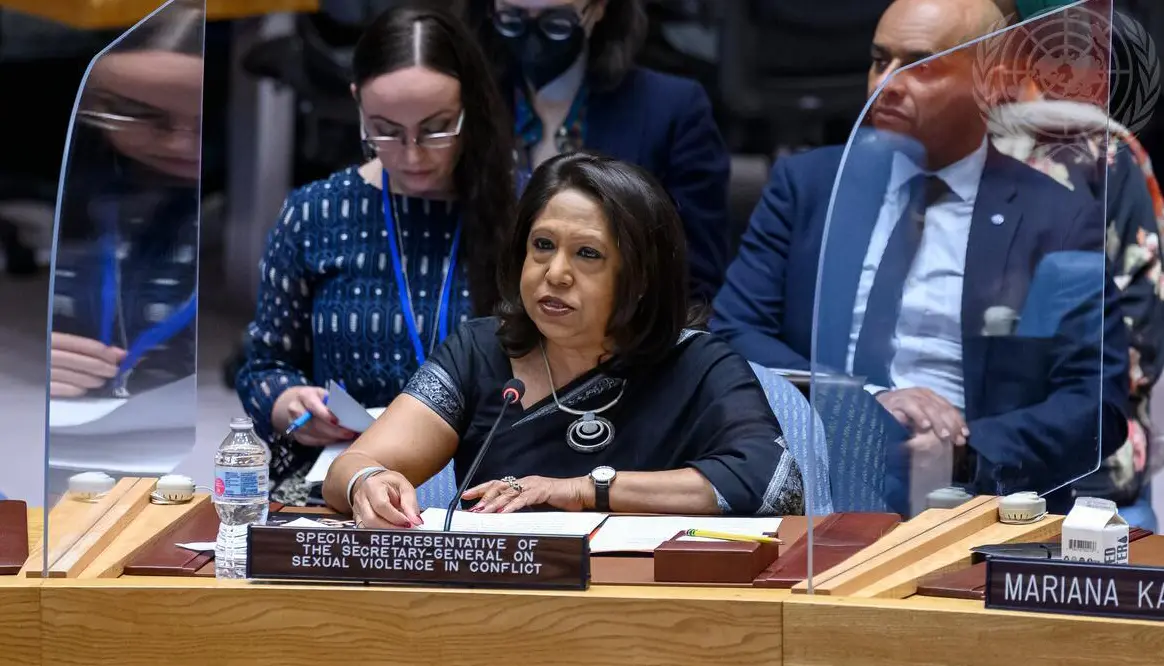
Third SRSG-SVC to be appointed since 2010, Pramila Patten is the current Chair of UN Action.
In her words: "(...) UN Action has been truly transformative (...). Through more than 60 life-changing projects, spanning 18 conflicts, UN Action has reached thousands of survivors (...). UN Action has pioneered innovative strategies that move beyond reactive measures to activate early-warning systems and mitigate risk, shifting social stigma, strengthening solidarity networks, and supporting reintegration."
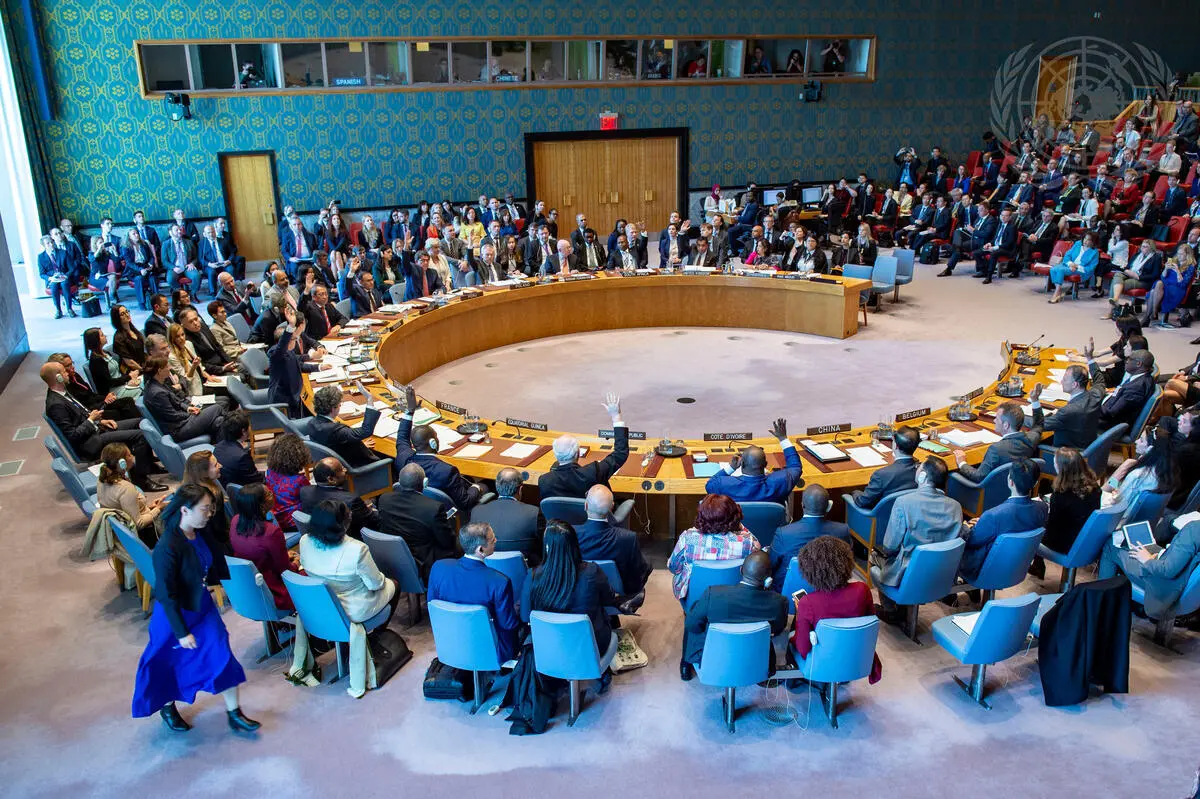
Among other recommendations, this resolution also encouraged UN Action to revise and continue development of innovative operational tools and guidance, especially in order to ensure that prevention and response are non‑discriminatory, specific and survivor‑centred.
UN Action also developed its new Strategic Framework (2020 – 2025), focusing particularly on a comprehensive and survivor-centred approach to CRSV, with a renewed emphasis on prevention.
UN Action, through a thematic working group led by UNHCR established in May 2021, developed a comprehensive guidance on prevention, “the Framework for the Prevention of CRSV” and launched it on the margins of UNGA77. Since then, the Framework has been successfully implemented in Ukraine and South Sudan.
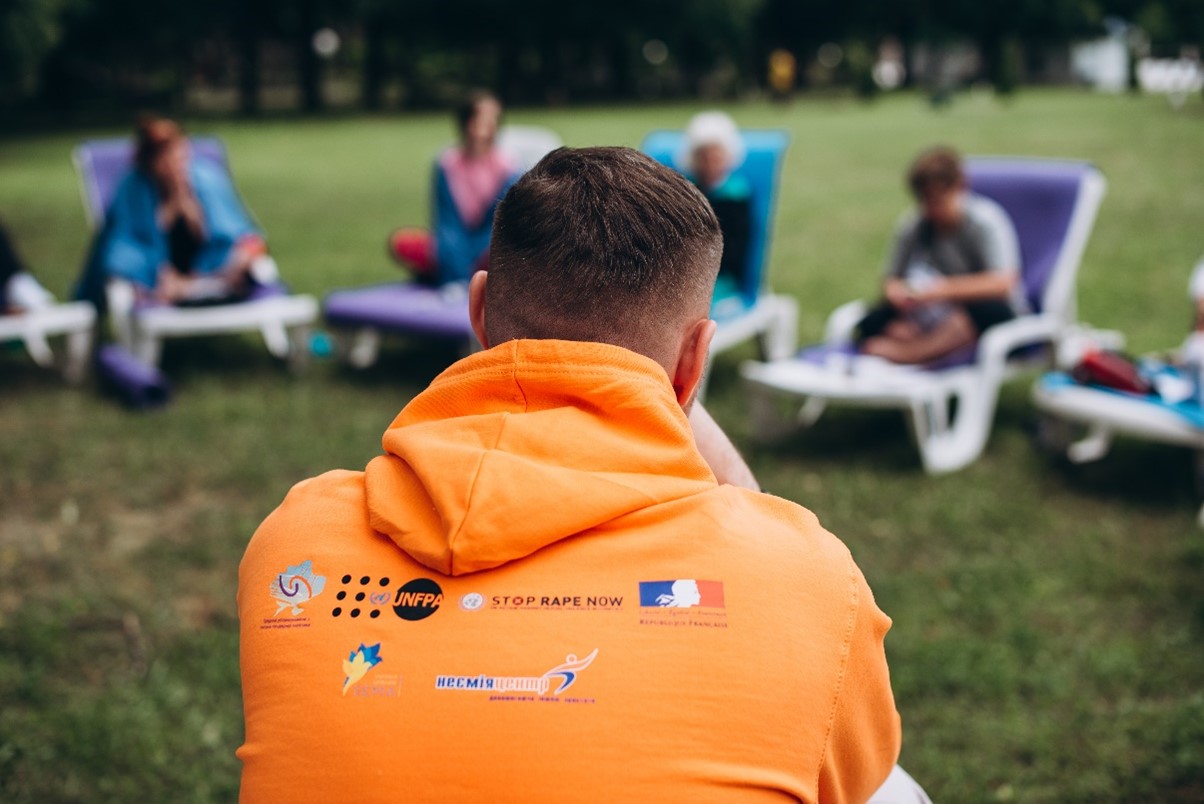
In August, UN Action launched its joint, catalytic project in Ukraine. Implemented jointly by UNFPA, UN Women, UNODC, UNDP, the WHO and IOM, is UN Action’s largest project to date, not only in terms of budget, but also in terms of the number of Network’s members involved. Learn more about it here.
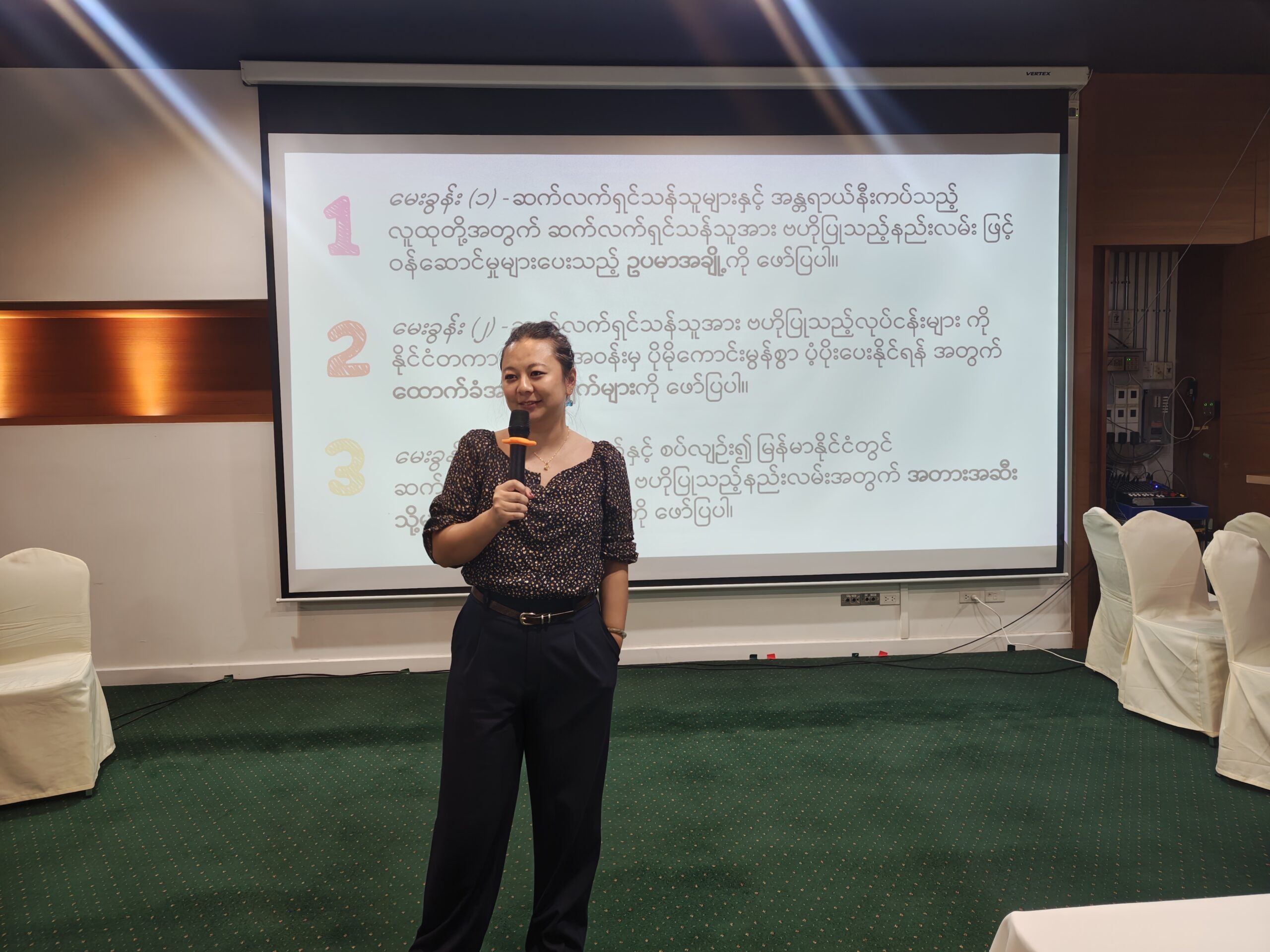
In September 2025, the confidential Survivor-Centred CRSV UN Action Lab in Chiang Mai, on Myanmar, brought together over 45 women human rights defenders and CSOs across 15 ethnic groups, including Rohingya, to engage on a survivor-centred approach to CRSV.